
If you are planning an Indian wedding in 2026–27, let us be honest, this is not just about booking a venue and selecting flowers anymore. Weddings have evolved into immersive, multi-day experiences that blend heritage with high production, intimacy with grandeur, and emotion with engineering-level precision. What used to be a family function has transformed into a curated celebration ecosystem.
Today's couples want more than rituals. They want storytelling. They want cinematic entries, cohesive design narratives, seamless hospitality, personalised guest experiences, sustainable décor choices, flawless logistics, and zero visible stress. And here is the reality: none of that happens by accident.
Modern Indian weddings are complex operational projects.
Between RSVP tracking, vendor coordination, multi-function timelines, technical production for Sangeet nights, hospitality for outstation guests, ritual sequencing for Phere, and reception flow management, there are hundreds of moving parts. One delayed makeup slot can push an entire evening behind schedule. One miscalculated guest count can disrupt catering and seating. One missing permission can halt a baraat mid-procession.
This is why a structured, step-by-step wedding planning checklist is no longer optional. It is foundational.
The Complete Wedding Planning Checklist Step by Step (2026–27) is designed for couples who want clarity instead of chaos. It is for those who understand that luxury is not just about aesthetics, it is about precision. It is about ensuring that every touchpoint, from the first digital RSVP confirmation to the final farewell brunch, flows seamlessly.
Weddings in this new era are guest-centric. Your attendees are travelling across cities and countries. They expect curated welcome experiences, thoughtfully designed hospitality, personalised itineraries, comfort-first room allocation, and events that feel distinct yet interconnected. Each function must have its own identity, Mehendi vibrant and relaxed, Haldi minimal and joyful, Sangeet production-heavy and electrifying, Phere spiritually grounded yet visually breathtaking, and Reception polished and structured.
And behind each of these moments lies invisible architecture: control room management, timeline discipline, contingency planning, safety compliance, weather backup solutions, and contract-level vendor accountability.
Many couples underestimate this backend layer. They focus on décor mood boards but overlook operational scaffolding. The result? Stunning photographs, but unnecessary stress.
Planning properly means thinking in phases. It means defining your budget allocation intelligently. It means booking your venue early. It means locking in your décor and execution partner before premium dates disappear. It means integrating RSVP systems with seating charts. It means coordinating salon services with ceremony timelines. It means ensuring that your baraat has sound permits and your mandap has fire safety clearance.
This is not about overcomplicating your wedding. It is about professionalising it.
The weddings that feel effortless are almost always the ones that were engineered carefully behind the scenes.
In 2026–27, sustainability also becomes a serious consideration. Couples are consciously opting for reusable installations, responsible floral sourcing, reduced waste gifting, and eco-sensitive event design. Luxury and responsibility now coexist, and smart planning allows you to achieve both.
Equally important is narrative consistency. From your invitation design to your stage backdrops, from welcome hampers to menu typography, everything should speak the same visual language. That cohesion does not happen randomly. It is curated deliberately.
This is precisely where experienced design and execution partners make a measurable difference. A professional team understands flow, not just beauty. They anticipate crowd behaviour. They manage technical rehearsals. They allocate buffers. They create backup plans before problems arise. They ensure your parents are not handling logistics on the wedding day. They allow you to be present.
Because at its core, your wedding is not about décor installations or lighting grids. It is about memory-making. It is about standing under the mandap without worrying whether the baraat is stuck in traffic. It is about enjoying your Sangeet performance without thinking about microphone feedback. It is about greeting guests at your reception without feeling rushed or overwhelmed.
This blog will walk you through every stage — RSVP management, wedding stationery, guest hospitality, control room operations, Mehendi, Tilak, Sangeet, Haldi, Safa Bandhi, Guddh Chadi, Baraat welcome, Phere ceremony, Reception planning, Checkout logistics, salon coordination, and all the miscellaneous safeguards that prevent last-minute crises.
Consider this your strategic blueprint.
Plan methodically. Design intentionally. Execute flawlessly.
Because in 2026–27, a wedding is not simply celebrated, it is orchestrated.
Indian Weddings in 2026–27: A New Era of Orchestrated Celebrations
Indian weddings in 2026–27 are not events. They are productions. They are curated experiences stitched together with emotion, logistics, design science, hospitality strategy, and technical precision. A modern celebration is no longer confined to rituals, it is a multi-day immersive journey for every guest involved.
Couples today want cinematic entries, experiential décor, curated gifting, smooth guest logistics, aesthetic storytelling, and sustainability, all executed without chaos. And here's the truth no one tells you clearly: without a structured, professional wedding planning checklist, even the most extravagant vision can collapse under operational pressure.
This is your Complete Wedding Planning Checklist Step by Step (2026–27), structured chronologically, grounded in practicality, and designed for couples who want excellence, not improvisation.
Let's build your wedding properly.
Phase 1: Foundation Planning (12–15 Months Before)
Before diving into ceremonies, establish these pillars:
- Finalise approximate guest count
- Define wedding scale (intimate, grand, destination)
- Establish budget allocation categories
- Book venue(s)
- Confirm décor and execution partner
This is where clarity prevents future regret.
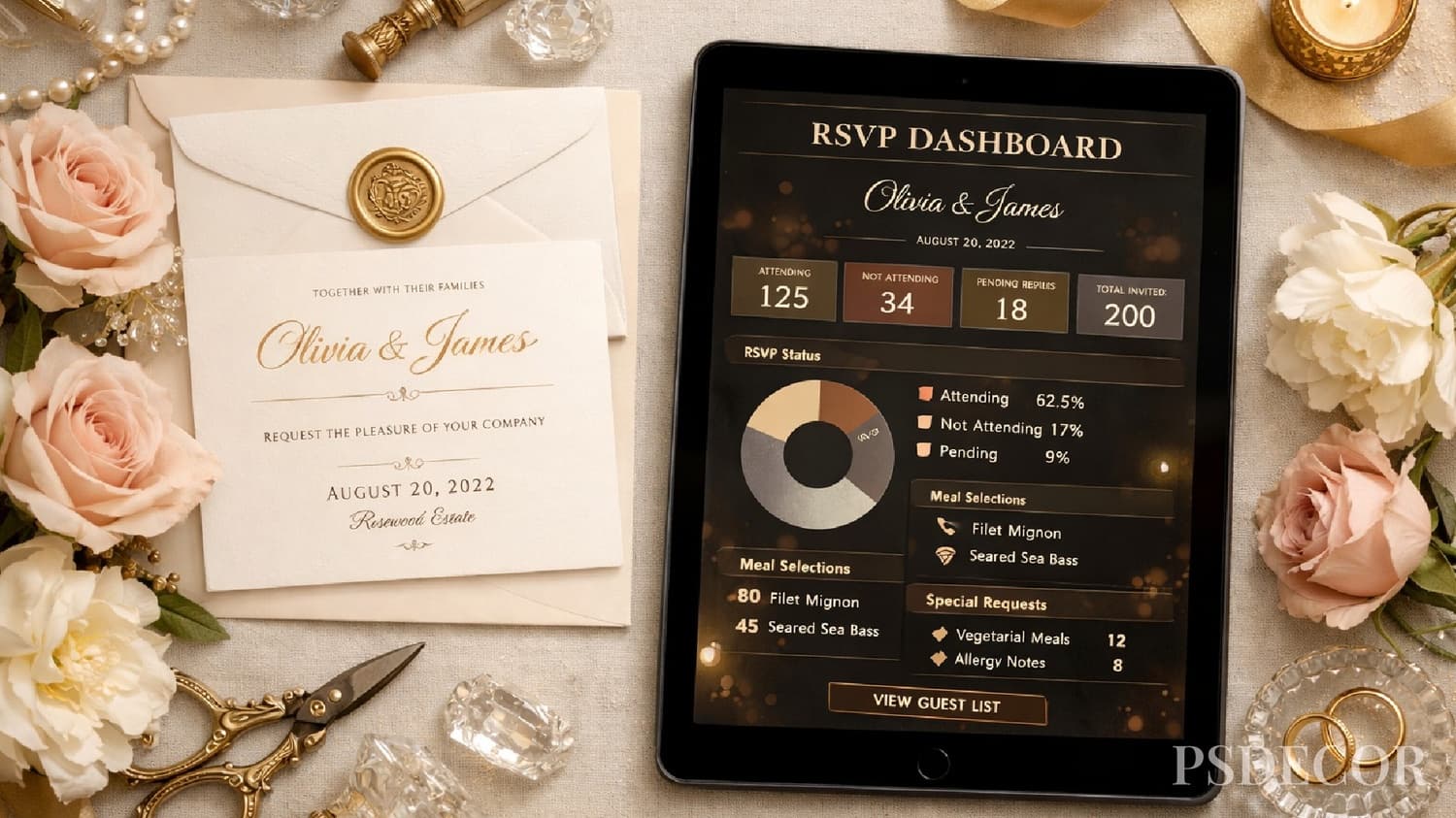
1. RSVP Management: Precision Begins with Numbers
What It Is
A structured system for tracking attendance across all functions, Mehendi, Haldi, Sangeet, Tilak, Phere, Reception, and Brunch.
Why It Matters in 2026–27
Guest experience is data-driven. Your catering quantities, seating layouts, airport transfers, hotel rooms, security staffing, and gifting all depend on accurate RSVPs.
When to Start
8–12 weeks prior to the first function.
Best Practices
- Dedicated wedding microsite
- QR-enabled physical invitations
- Automated RSVP reminders
- Dietary preference tracking
- Event-wise attendance confirmation
Mistakes to Avoid
• Manual tracking through scattered WhatsApp chats
• Ignoring international travel confirmations
• No final headcount freeze date
Professional planners integrate RSVP dashboards with seating charts and hospitality rosters to avoid last-minute chaos.
2. Wedding Stationery: Design Identity Begins on Paper
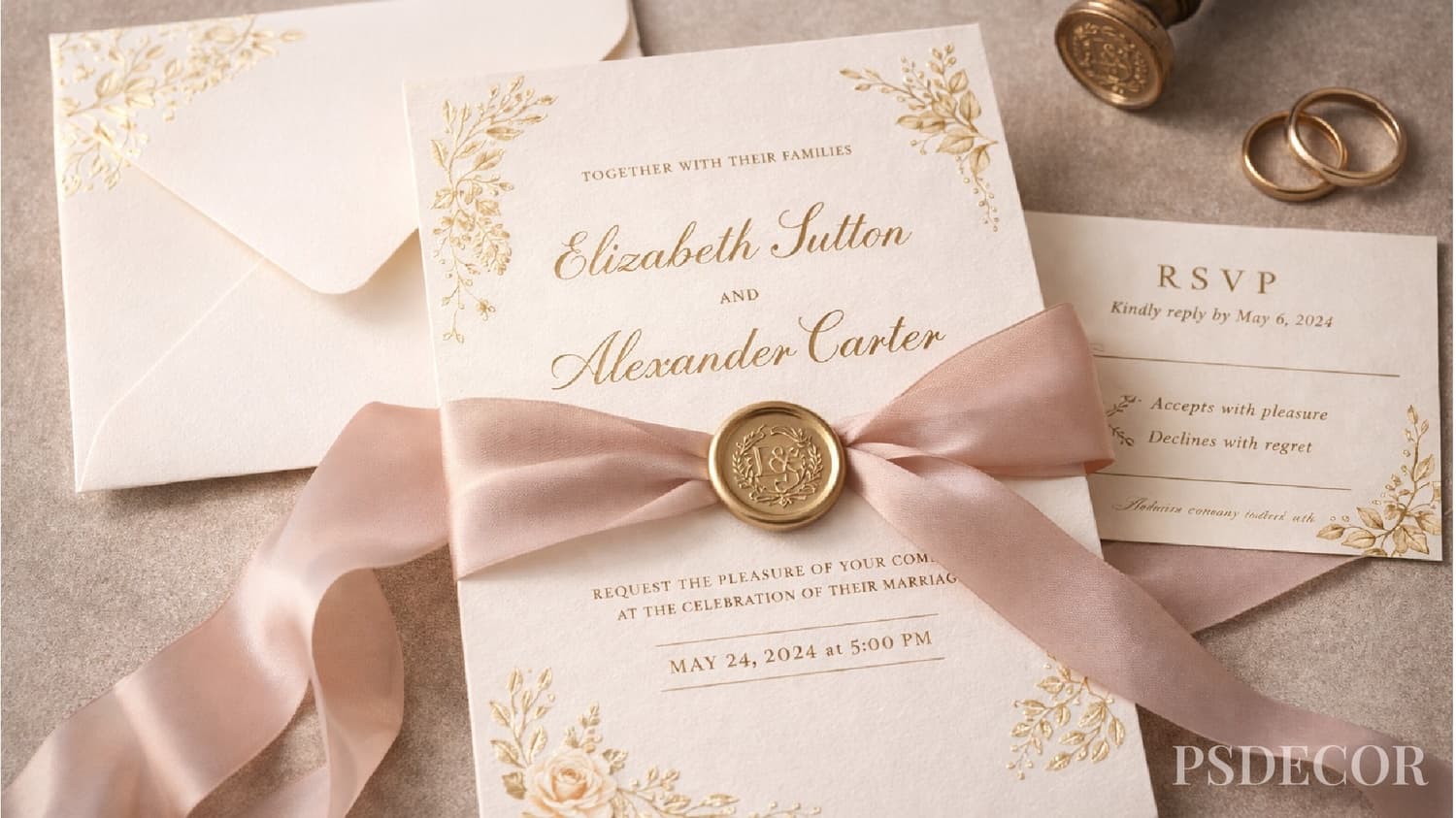
Stationery is not just information, it is brand positioning.
What to Include
- Save the Date
- Formal Invitations
- Event-wise Inserts
- Itinerary Cards
- Menu Cards
- Welcome Notes
- Signage Templates
2026–27 Trends
• Sustainable materials (seed paper, recycled stock)
• Digital-luxury hybrid kits
• Custom monogram across events
• Minimal typography with premium finishes
A cohesive design narrative ensures continuity from invitation to mandap décor.
3. Guest Arrival Planning: Orchestrated Hospitality
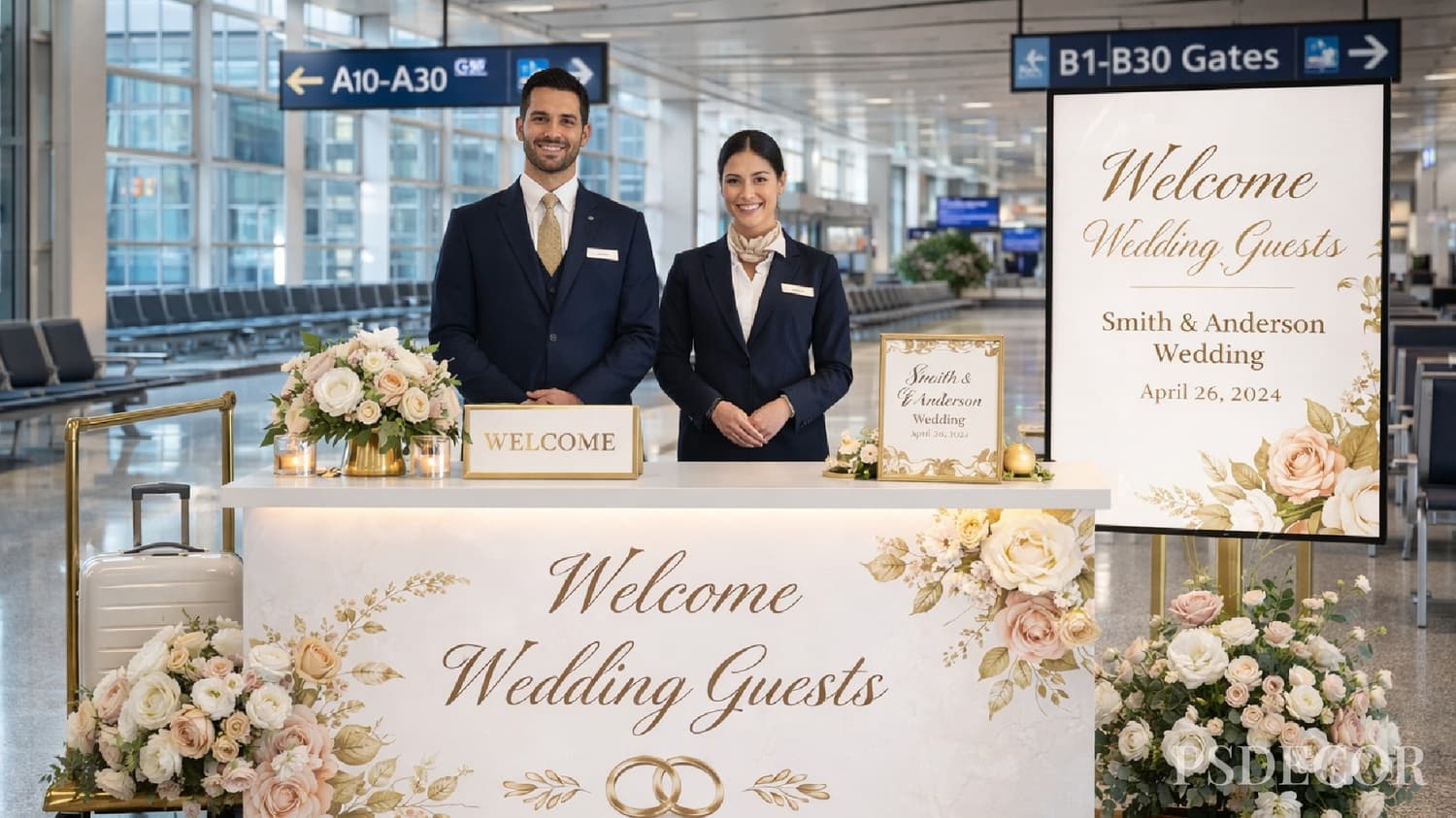
Guest comfort begins before the wedding starts.
Planning Checklist
- Airport welcome counters
- Pre-scheduled chauffeur allocations
- Travel tracking sheet
- VIP lounge coordination
- Emergency transport backups
Why It Matters
Disorganised arrivals create stress before celebrations begin.
A structured hospitality team ensures guests feel valued from the moment they land.
4. Guest Welcome Experience: Curated, Not Generic

In 2026–27, welcome hampers are experiential.
Include
- Personalised itinerary booklet
- Curated artisanal gifts
- Wellness essentials
- Branded hydration bottles
- QR event schedules
Trend Insight
Destination weddings now incorporate locally sourced elements into welcome kits.
Thoughtful curation elevates guest perception instantly.
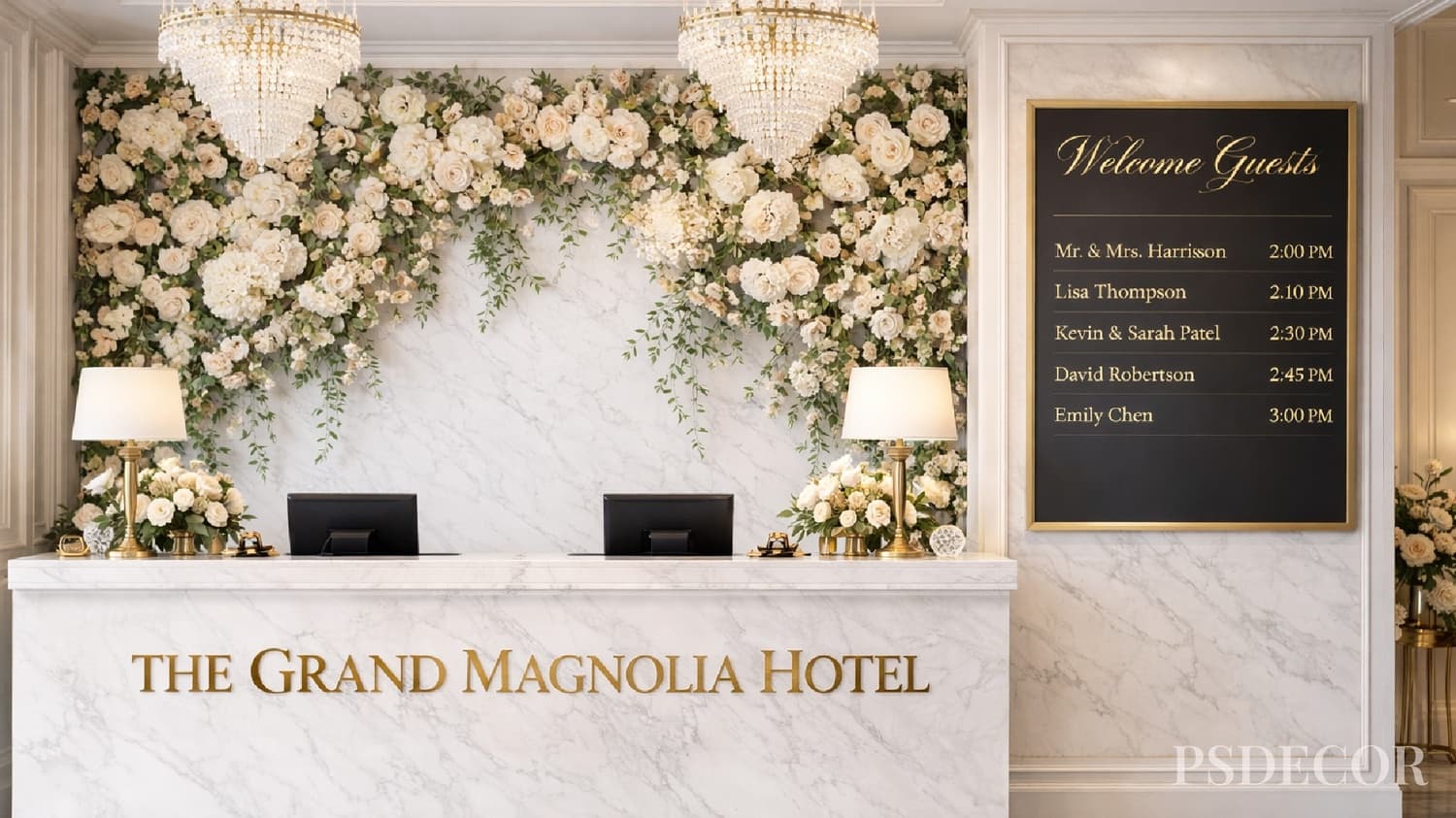
5. Check-In Coordination: Structured Room Allocation
Critical Considerations
- Hierarchical room mapping
- Early check-in buffers
- VIP suite planning
- Accessibility for elders
- On-call hospitality desk
Common Errors
• No designated check-in manager
• Overlapping room allocations
• Last-minute key confusion
Precision here eliminates unnecessary friction.
6. Control Room Management: The Wedding Command Centre
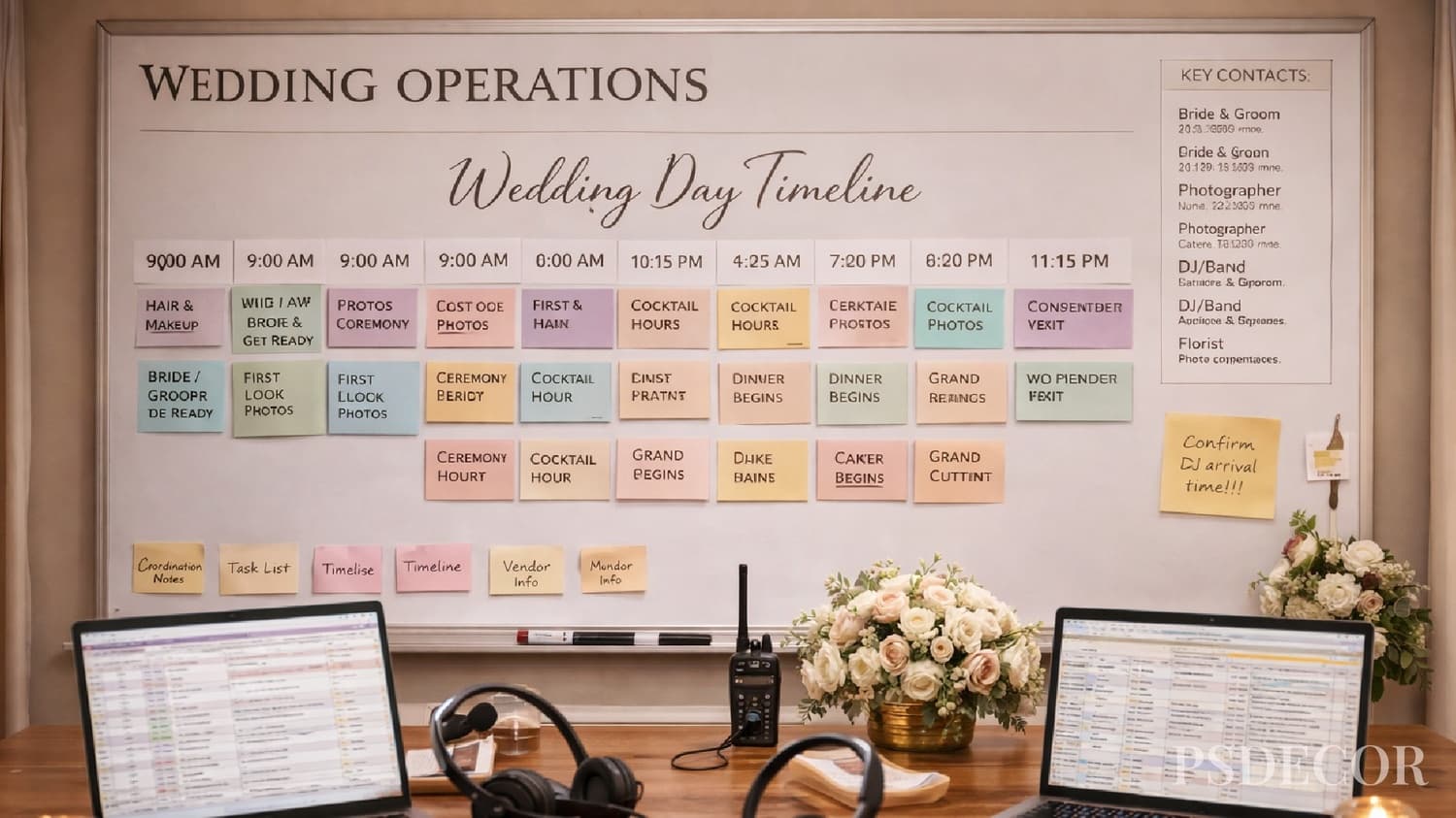
Behind every seamless wedding lies a silent control room.
Responsibilities
- Timeline enforcement
- Vendor communication
- Lighting and sound cues
- Emergency troubleshooting
- Weather contingency updates
Why It's Critical
Without central coordination, events run late and technical glitches multiply.
Professional execution teams operate this like a production studio.
7. Mehendi Ceremony: Vibrant, Comfortable, Photogenic
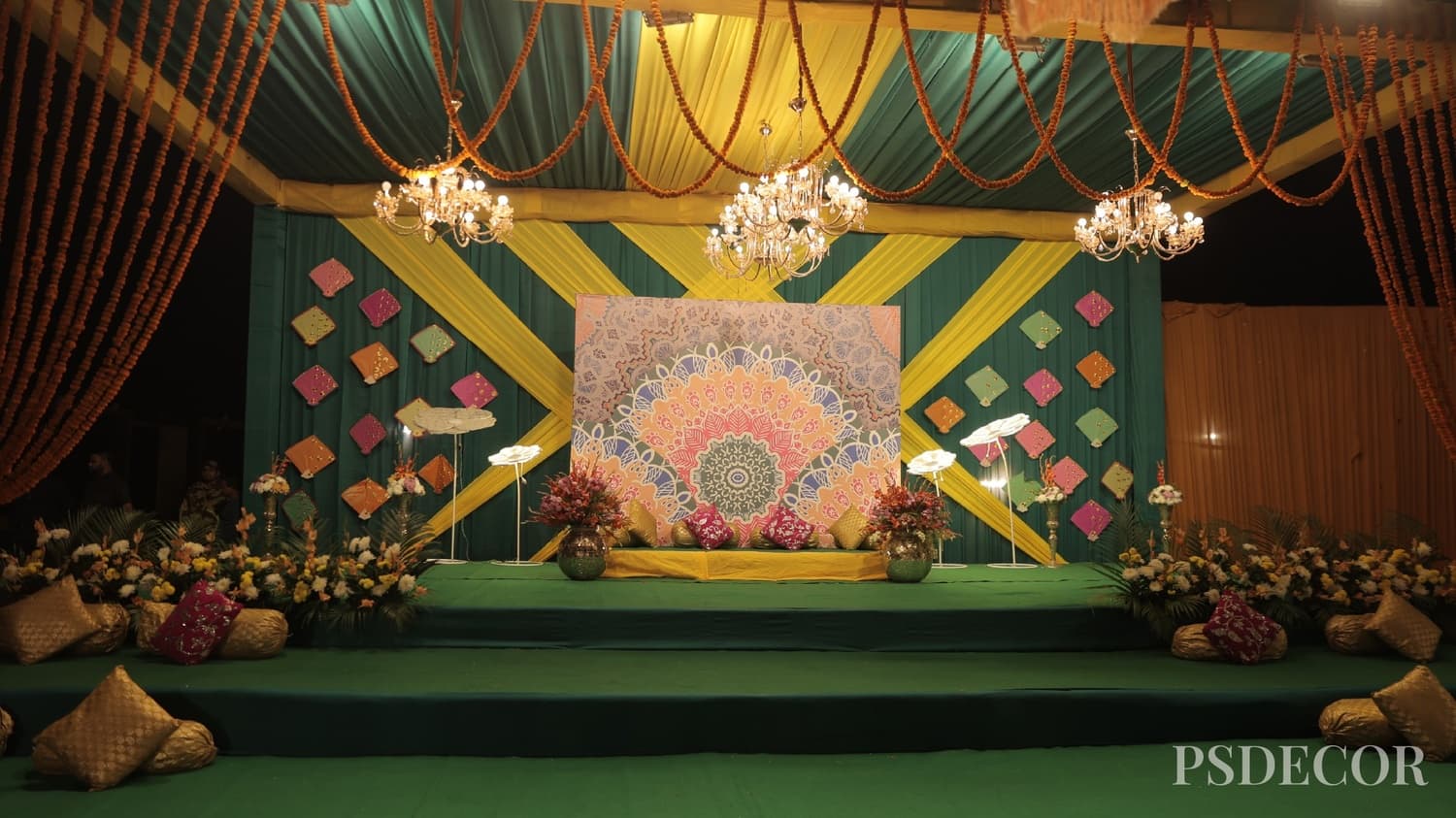
Planning Checklist
- Artist scheduling
- Comfortable seating
- Shade and ventilation
- Refreshment counters
- Live entertainment
2026 Trend
Boho-regal aesthetic with sustainable florals.
Mehendi is intimate. Comfort must match aesthetics.
8. Tilak Ceremony: Tradition with Structure
Focus Points
- Ritual authenticity
- Proper seating hierarchy
- Floral and fabric coordination
- Priest timing alignment
Cultural respect enhances emotional impact.
9. Sangeet Night: Production-Level Precision
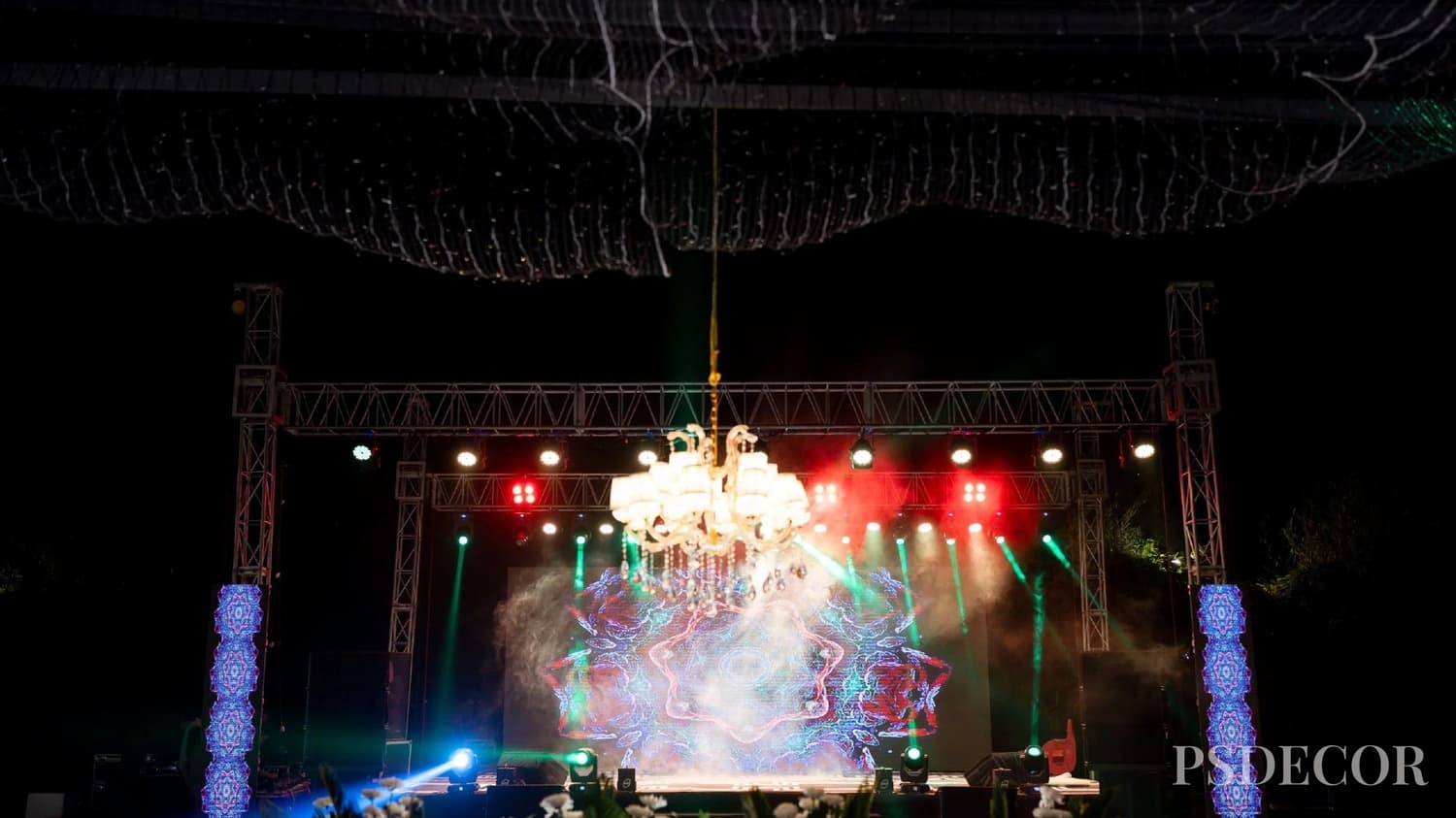
The Sangeet is your concert evening.
Essentials
- Professional choreography
- Stage blocking
- LED panels
- Sound engineering
- Rehearsal scheduling
- Backup microphones
Risk Areas
• Audio distortion
• Delayed performances
• Overcrowded stage
Structured rehearsal eliminates embarrassment.
10. Haldi Ceremony: Simplicity Meets Logistics
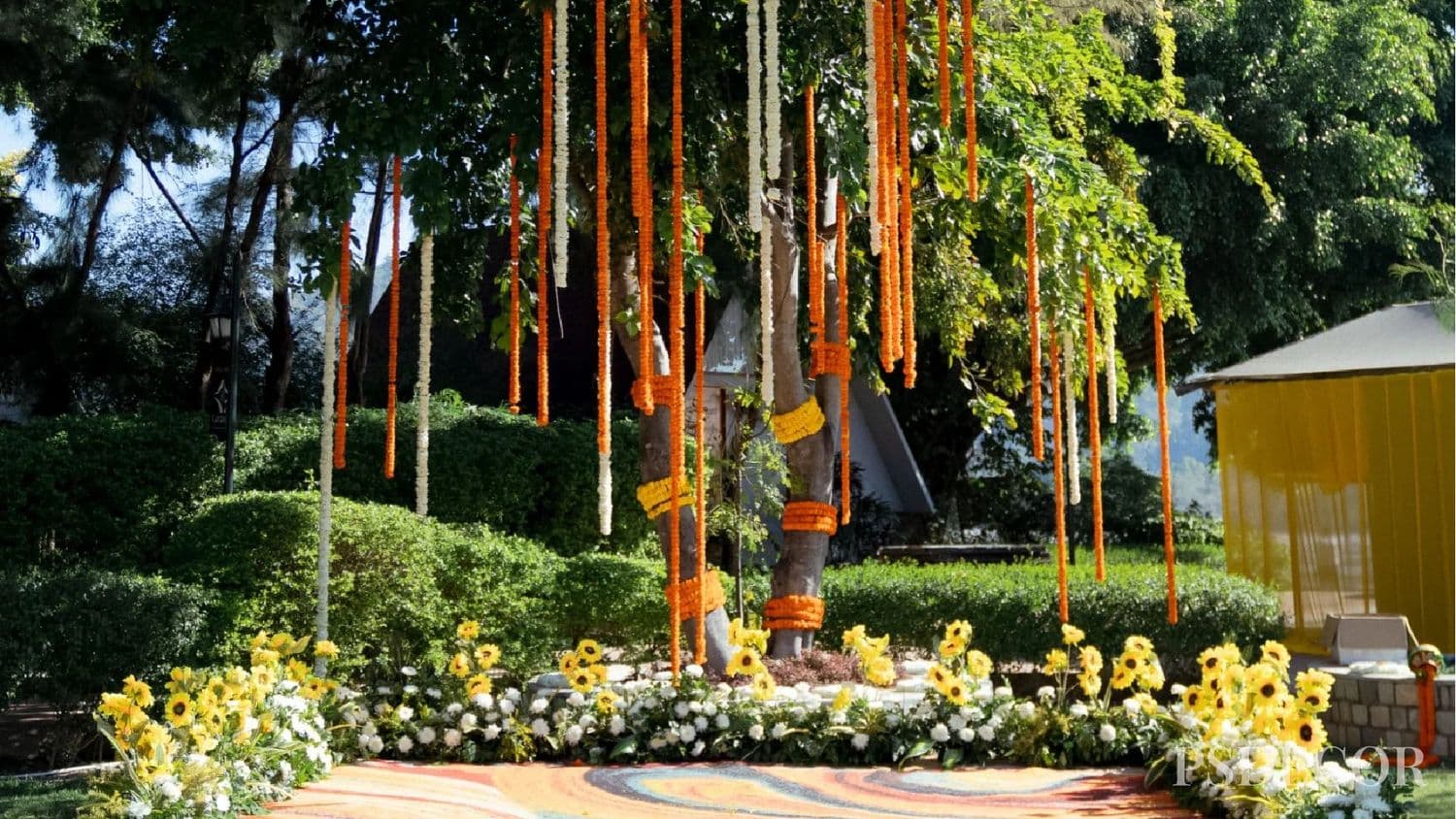
Planning Checklist
- Organic turmeric preparation
- Fabric protection
- Easy-clean surfaces
- Dedicated photography angles
Aesthetic Trend
Monochromatic yellow with natural textures.
Minimal does not mean careless, logistics still matter.
11. Salon & Grooming Services: Timing Is Everything
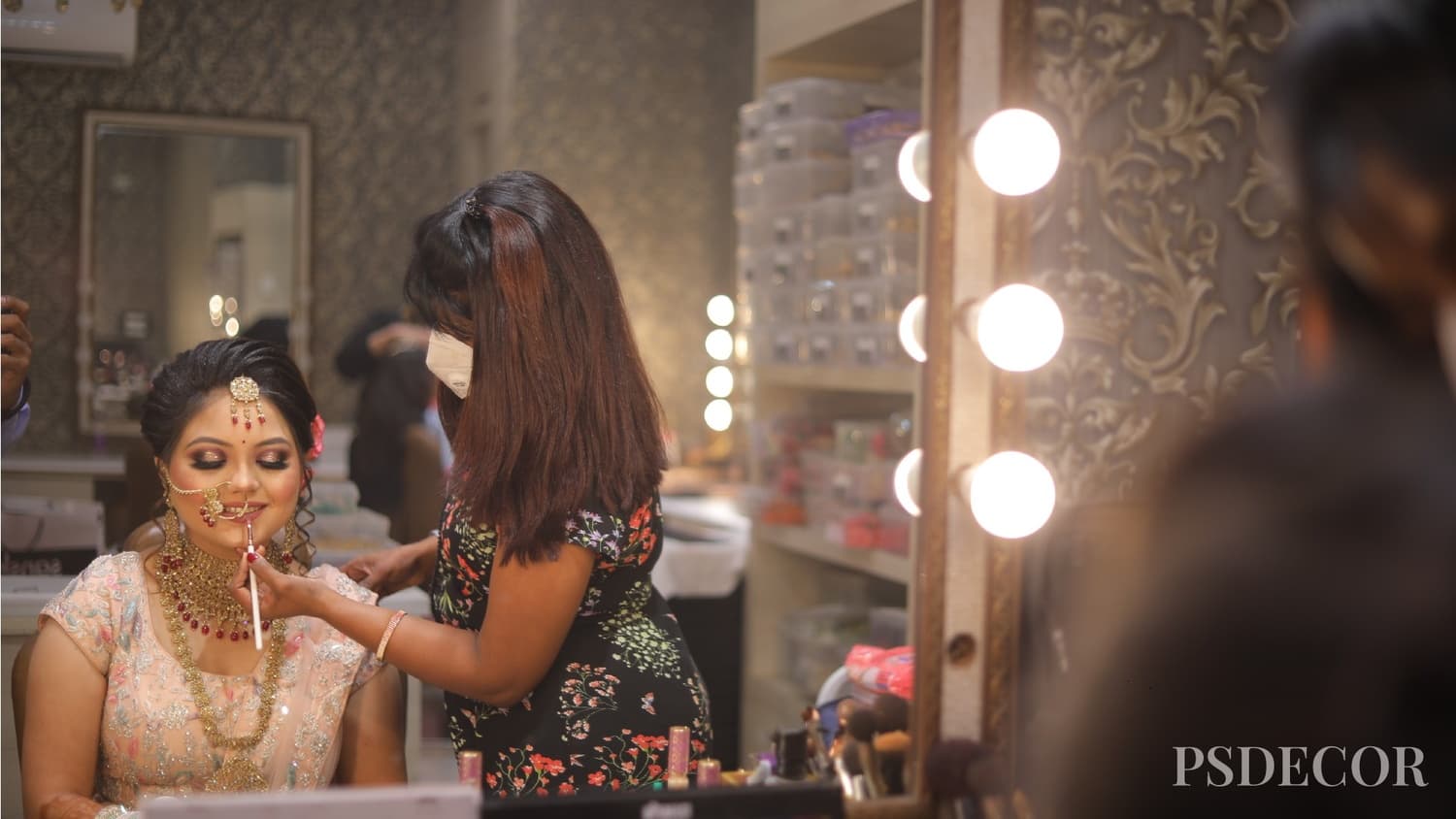
Plan
- Makeup trials months in advance
- Groom styling consultation
- Buffer for outfit changes
- Backup artist on standby
A delayed makeup session can derail an entire day's schedule.
12. Safa Bandhi: Guest Participation Ritual
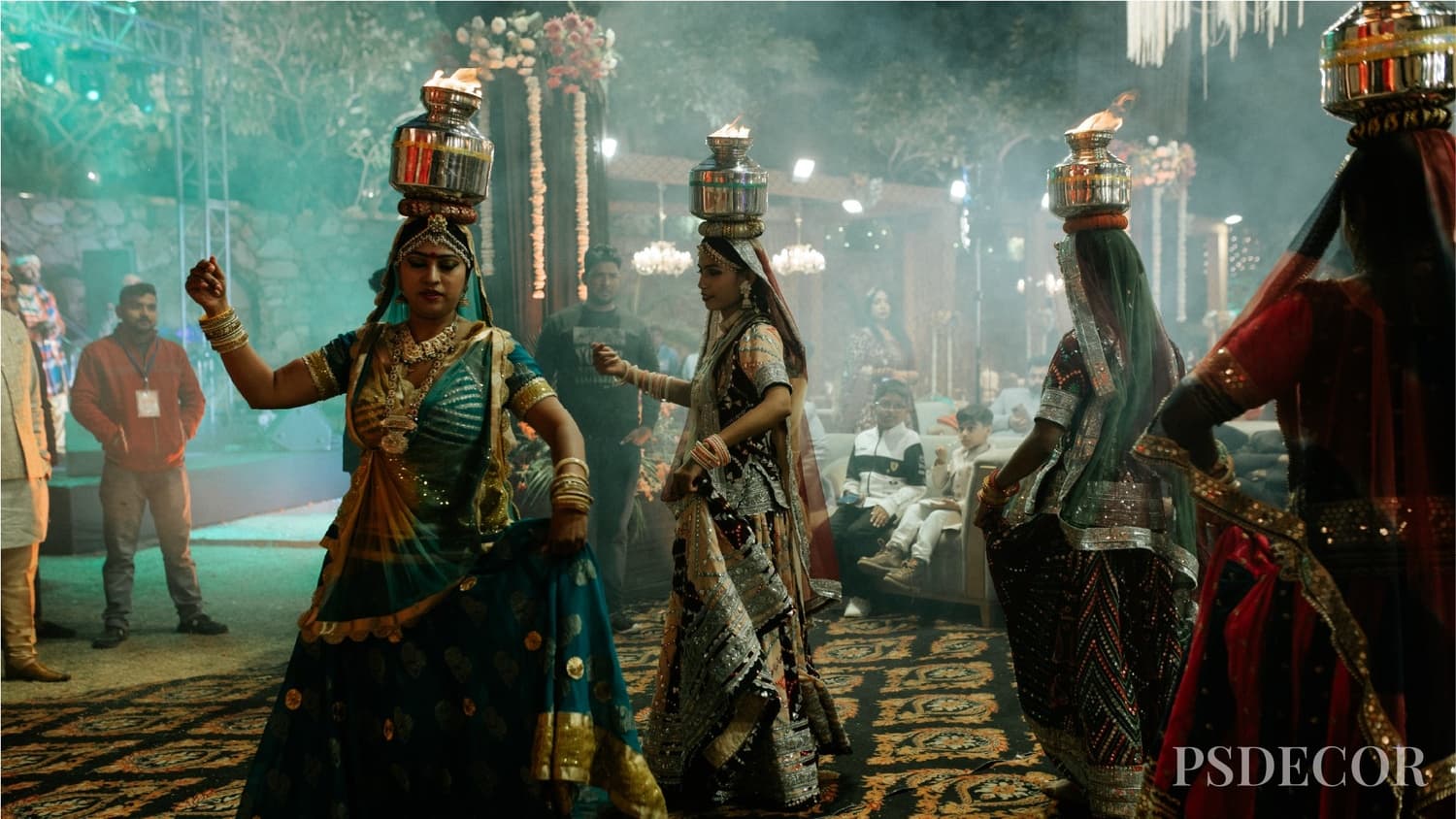
Requirements
- Skilled pagdi tiers
- Colour-coded fabrics
- Pre-event scheduling
This ritual builds unity and adds visual drama.
13. Guddh Chadi: Groom’s Departure
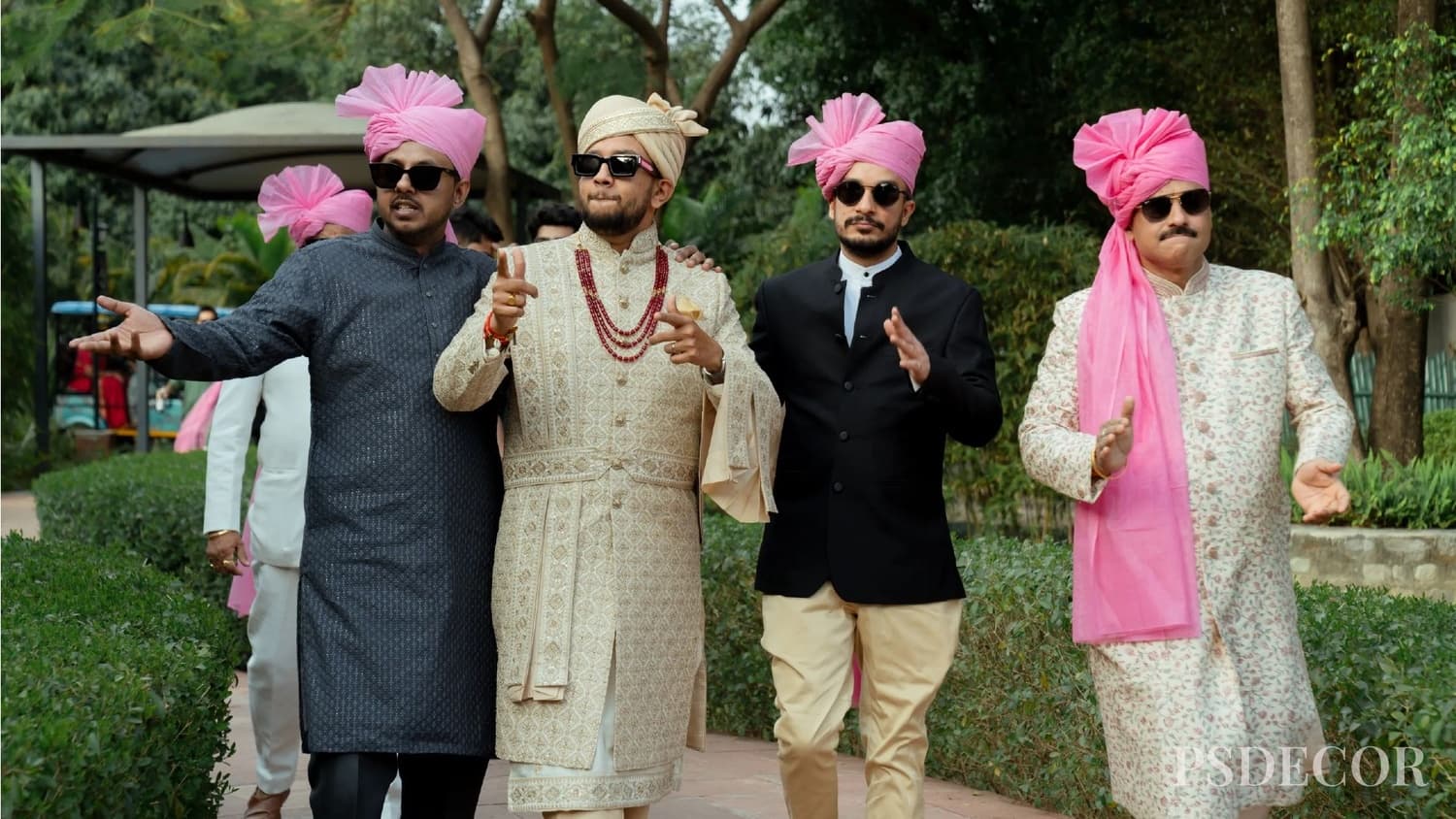
Checklist
- Decorated mare
- Route permissions
- Band coordination
- Crowd management
Timing alignment is crucial to avoid delays.
14. Baraat Welcome: Energy with Control
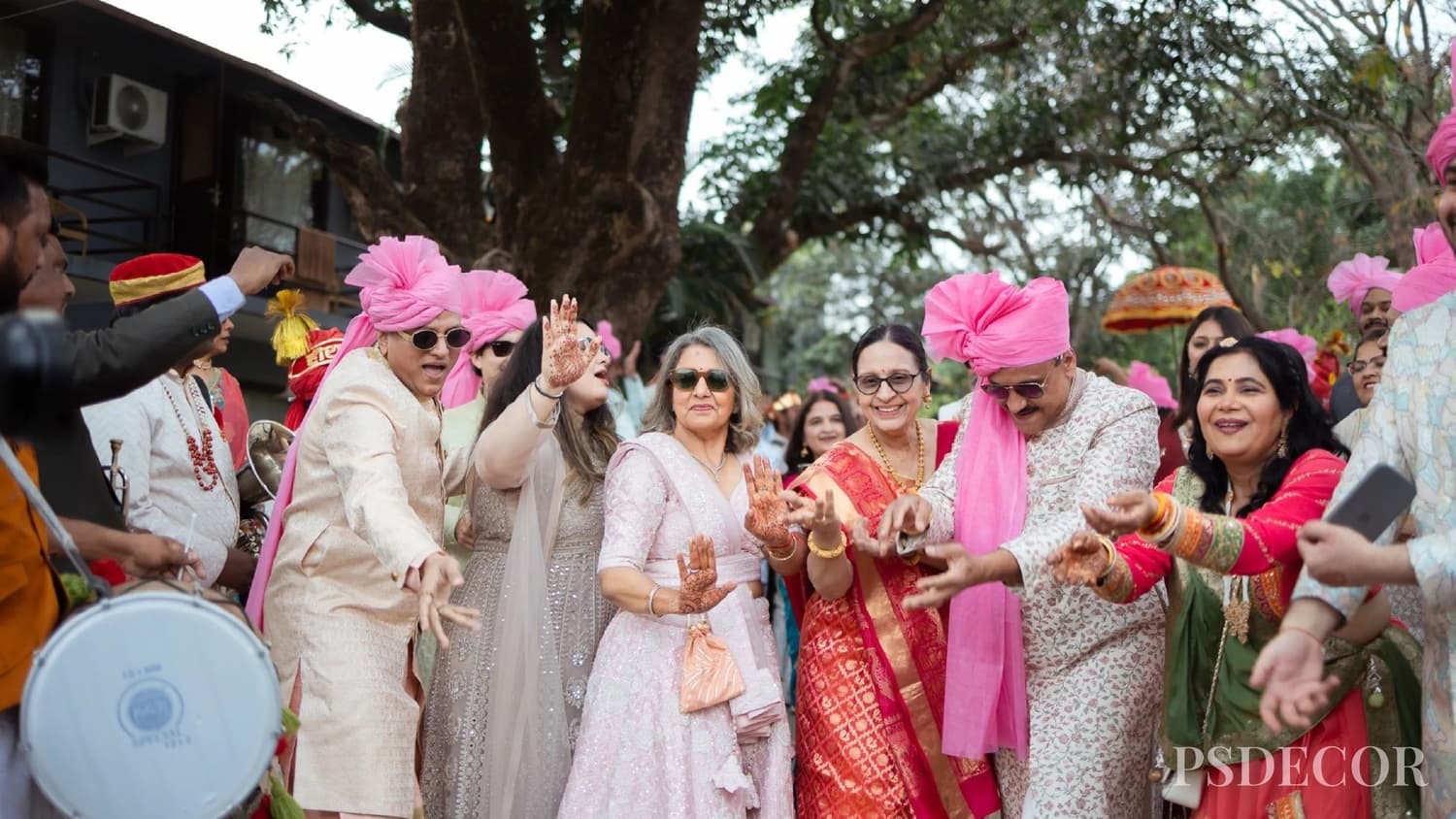
Planning Essentials
- Sound permits
- Entry choreography
- Crowd direction
- Floral shower coordination
Balance celebration with safety.
15. Phere Ceremony: The Spiritual Core
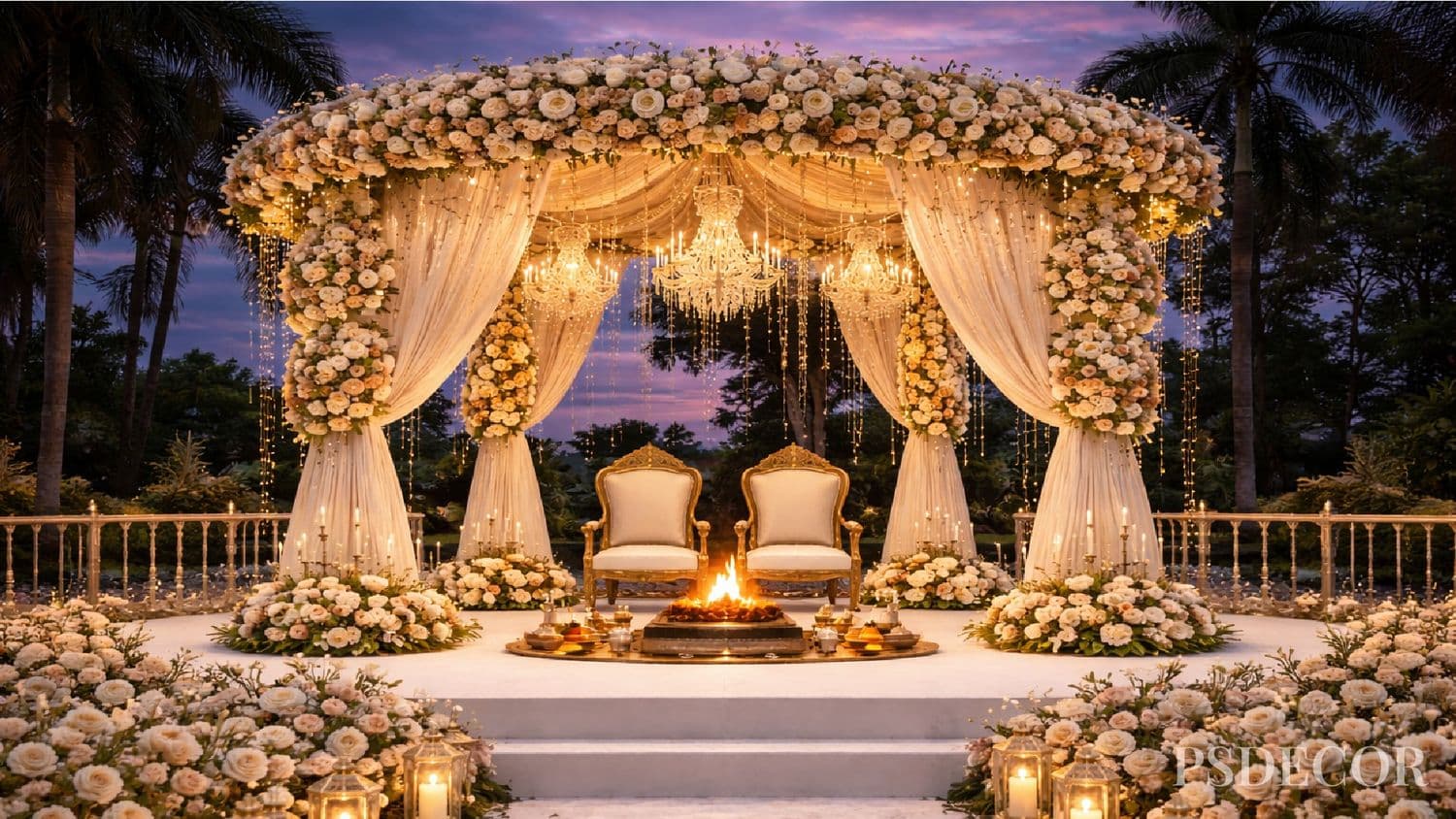
2026 Mandap Trends
- Sustainable installations
- Elevated platforms
- Immersive lighting
- Circular guest seating
Operational Details
• Priest coordination
• Fire safety compliance
• Seating comfort
• Microphone clarity
The emotional heart of the wedding deserves flawless execution.
16. Reception: Guest Flow Strategy

Focus
- Structured couple entry
- Stage greeting management
- Dining zone layout
- Entertainment sequencing
Poor guest flow creates bottlenecks and fatigue.
17. Checkout & Farewell Brunch
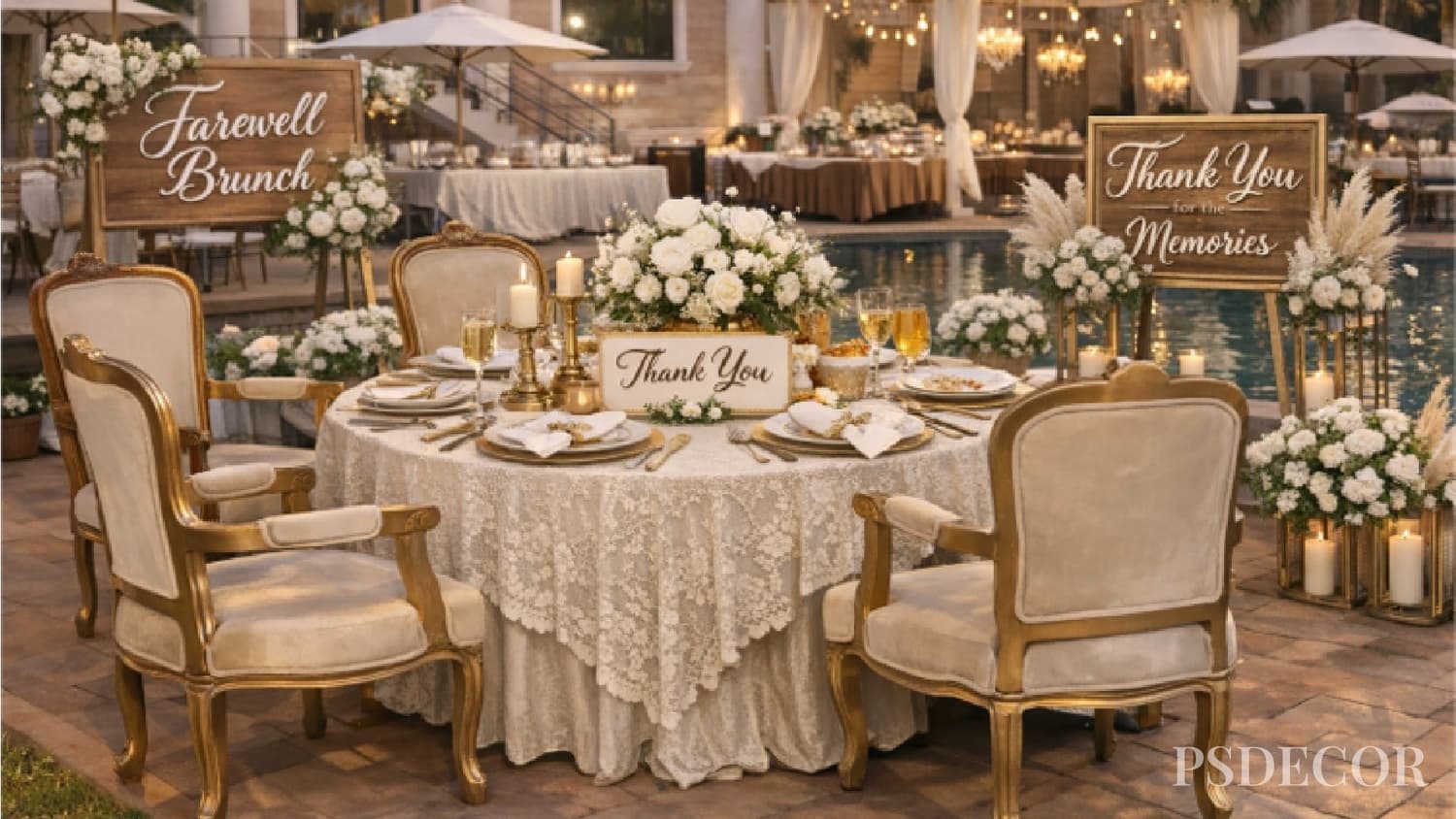
Final Checklist
- Return transport
- Vendor settlement
- Final payment tracking
- Thank-you communication
- Lost-and-found coordination
Your ending should feel graceful, not rushed.
18. Miscellaneous Essentials: The Invisible Safeguards
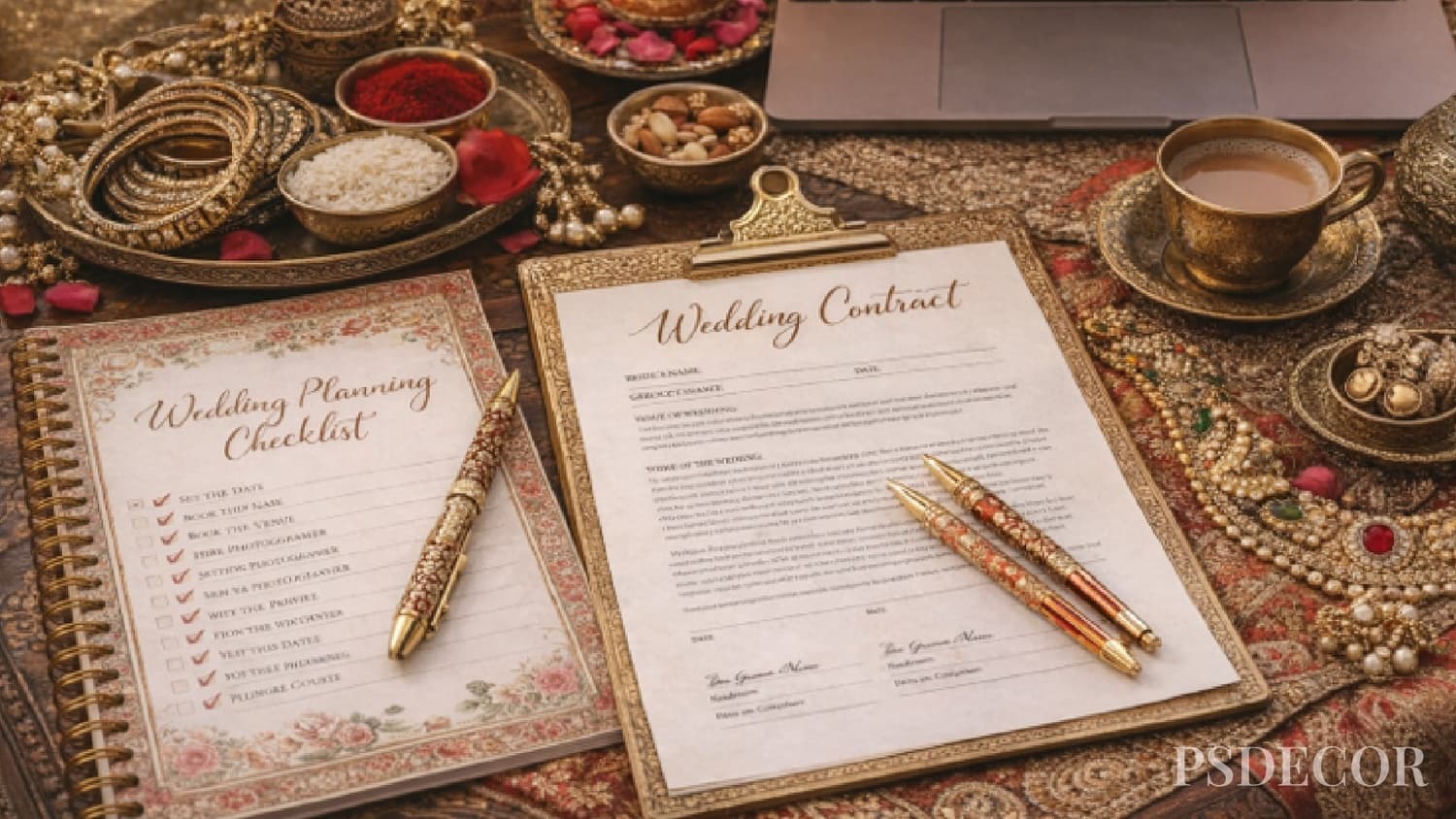
Often ignored, yet critical:
- Signed vendor contracts
- Payment milestone tracking
- Backup power generators
- Weather contingency tents
- Drone permissions
- Event insurance
- Emergency medical kits
- Sustainability planning
- Waste management coordination
These details prevent reputational disasters.
How PS Decor Transforms Checklists into Cinematic Celebrations
A wedding is not merely décor. It is orchestration.
PS Décor approaches weddings as immersive design stories. Every event, from Mehendi to Reception, flows visually and operationally into the next. Their methodology includes:
- Conceptual mood boards
- Thematic storytelling
- Advanced lighting design
- Structural floral installations
- Dedicated control room management
- Vendor ecosystem coordination
- Crisis-ready planning
- Hospitality alignment
The result? Guests experience effortless luxury, while behind the scenes, precision systems operate quietly.
For couples who refuse mediocrity, professional orchestration is non-negotiable.
Frequently Asked Questions
1. What is the step-by-step timeline for planning an Indian wedding in 2026–27?
A structured Indian wedding planning timeline typically begins 12–15 months in advance with budget setting and venue booking. At 9–12 months, décor and key vendors are confirmed. At 6–8 months, themes and logistics planning begin. RSVP management starts 8–10 weeks prior. Final vendor confirmations, seating charts, and rehearsal schedules are completed 2–4 weeks before the wedding. A detailed event-wise timeline ensures seamless execution.
2. How do you plan a luxury destination wedding in India step by step?
Planning a luxury destination wedding in India involves selecting a venue early, arranging guest travel logistics, confirming room blocks, coordinating airport transfers, designing location-specific décor, and building contingency plans for weather. A digital RSVP system, hospitality desk, and control room management are essential for smooth execution across multiple events.
3. How do you manage wedding guest lists for 300+ guests efficiently?
For weddings with 300+ guests, use digital RSVP dashboards, segmented guest categorisation, structured seating charts, hotel allocation mapping, and designated hospitality coordinators. Automated confirmation reminders and event-wise attendance tracking prevent overcrowding and catering miscalculations.
4. What should be included in a wedding hospitality management plan?
A complete wedding hospitality management plan includes airport pickups, hotel check-ins, welcome hampers, itinerary distribution, room allocation hierarchy, concierge services, help desks, and departure coordination. Proper hospitality planning enhances guest satisfaction and reduces logistical confusion.
5. How do you create a wedding budget breakdown for a multi-day Indian wedding?
A wedding budget breakdown should allocate funds across venue rental, décor and production, catering, hospitality, entertainment, photography, bridal styling, logistics, permissions, and contingency reserves. Typically, décor and production account for a significant portion, followed by catering and venue costs. Maintaining a payment milestone tracker prevents overspending.
6. What are the most important logistics for a baraat procession?
Key baraat logistics include securing sound permits, route approvals, crowd management planning, coordination with the band, horse arrangements (Guddh Chadi), entry choreography, and time alignment with the venue schedule. Backup timing buffers are crucial to avoid delays during peak traffic hours.
7. How can couples ensure smooth coordination between Mehendi, Haldi, and Sangeet events?
Smooth coordination requires staggered timelines, vendor briefing sessions, technical rehearsals, buffer time between events, separate décor teams for quick turnarounds, and central control room monitoring. Clear communication between stylists, photographers, and production teams ensures transitions remain seamless.
8. What are the essential permits required for Indian weddings in 2026–27?
Essential permits may include sound and DJ licenses, fire safety clearance for mandaps, drone operation approval, public event permissions (for outdoor baraats), and venue compliance certifications. Securing permits in advance prevents last-minute legal disruptions.
9. How do you design a cohesive wedding décor theme across multiple functions?
To maintain décor continuity, establish a central theme concept with a defined colour palette, typography style, floral identity, and lighting tone. Each function should reinterpret the theme uniquely while maintaining visual consistency. Coordinated stationery, signage, and stage design ensure cohesive storytelling.
10. What contingency plans should be in place for outdoor weddings?
Outdoor weddings require weather backup tents, waterproof décor installations, generator backups, alternate indoor venue options, real-time weather monitoring, and safety compliance measures. Contingency planning ensures uninterrupted ceremonies regardless of unexpected conditions.
Conclusion: Precision Creates Magic
An Indian wedding in 2026&27 is a multi-layered production. It requires design intelligence, operational discipline, hospitality mastery, and emotional sensitivity.
The difference between a stressful wedding and a seamless one lies in structured planning.
If you envision a celebration that feels cinematic, elegant, and flawlessly managed, a personalised consultation may be arranged discreetly with PS Décor at +91 7599208222 or via info@psdecor.in.
Connect with PS Decor
- 📞 Call: +91 7599208222
- 📧 Email: info@psdecor.in
- 🌐 Website: www.psdecor.in