
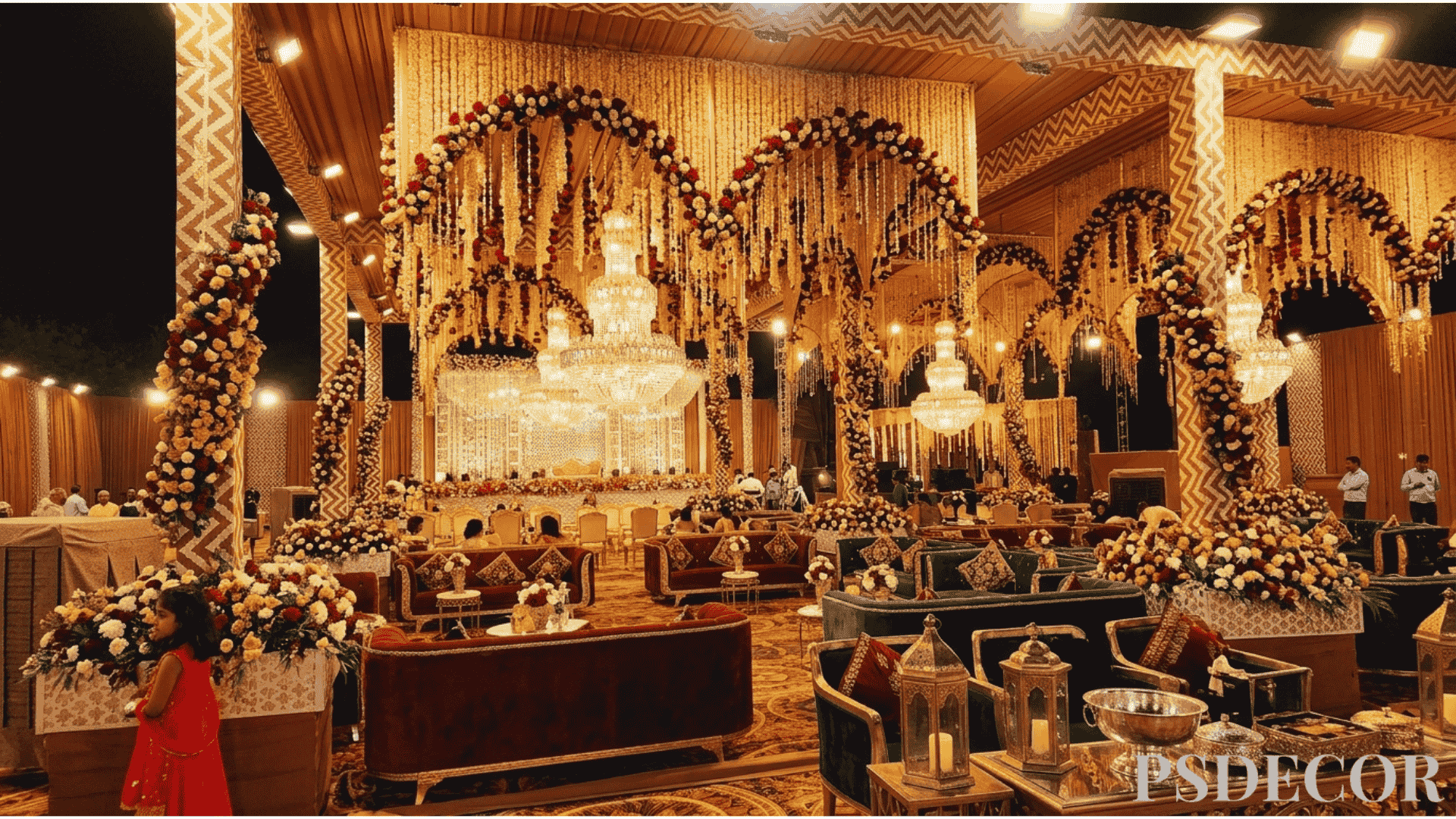
Imagine stepping into a wedding where the air feels almost poetic — the soft glow of lights, the fragrance of fresh florals, the gentle hum of music wrapping around conversations. Before a single word is spoken, before a ritual begins, something within you shifts.
That is not coincidence. That is psychology.
Wedding decoration is often misunderstood as mere visual appeal. In reality, it is an intricate orchestration of human emotions, sensory cues, and subconscious responses. The ambience of a wedding does not just decorate a space — it defines how that moment is experienced, remembered, and cherished for years to come.
For those who understand this deeply, décor becomes more than design. It becomes storytelling. And this is precisely where experienced curators like PS Decor step in — not as decorators, but as architects of emotion.
The First Impression Effect: When Space Speaks Before Words
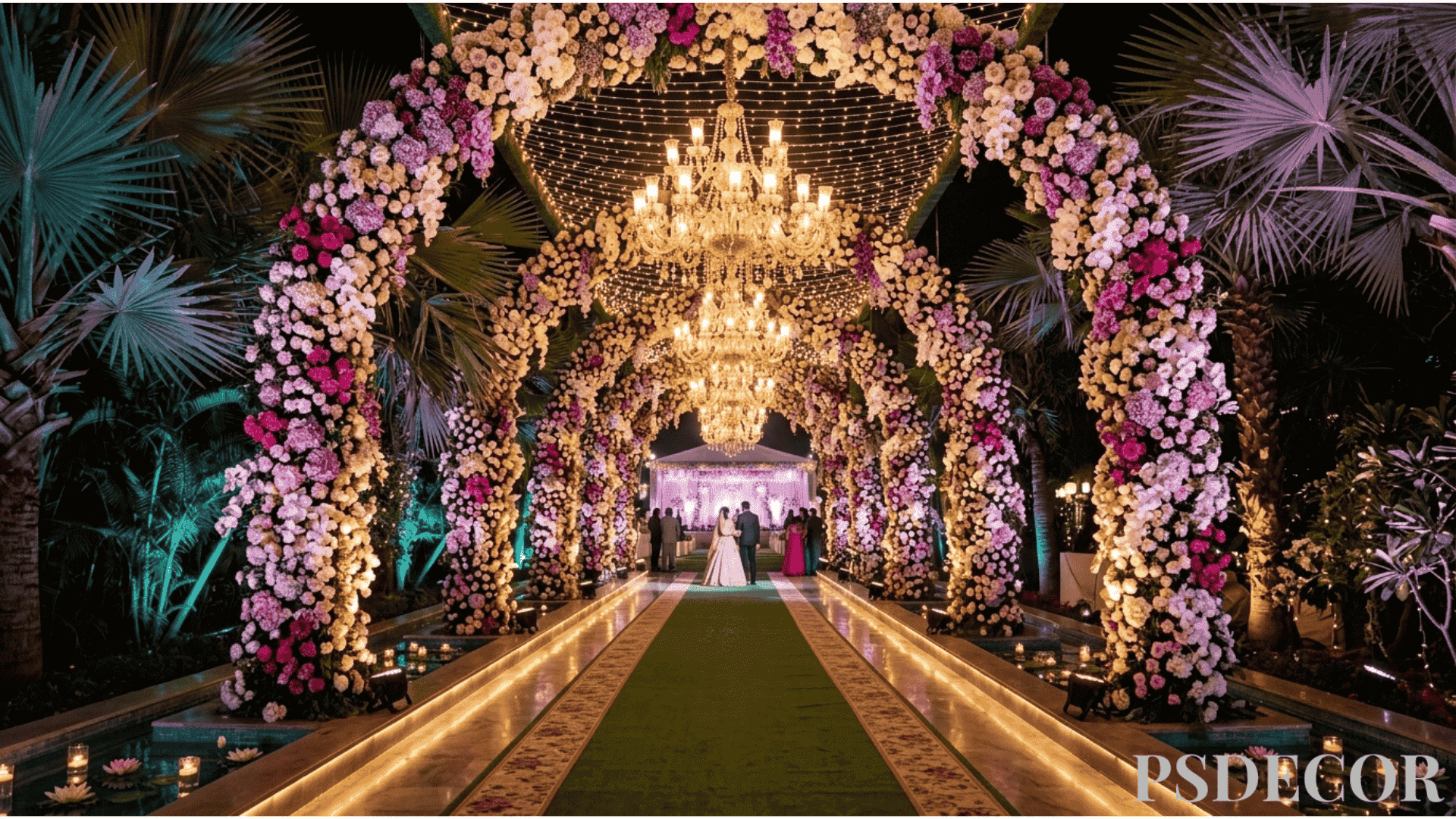
Human beings are wired to form impressions within seconds. Psychologists call this the primacy effect — our tendency to rely heavily on the first experience when forming perceptions.
At a wedding, this moment begins the instant a guest enters the venue.
A grand floral archway, a thoughtfully designed welcome area, or a dramatic entrance pathway does more than impress — it sets emotional expectations. Guests subconsciously decide:
- Is this wedding luxurious?
- Is it intimate?
- Is it joyful, calm, or energetic?
A poorly planned entrance can dilute even the most lavish interiors. Conversely, a well-crafted entry experience builds anticipation and elevates everything that follows.
This is why high-end wedding design always begins at the entrance — not the stage.
Colour Psychology: Painting Emotions Without Words
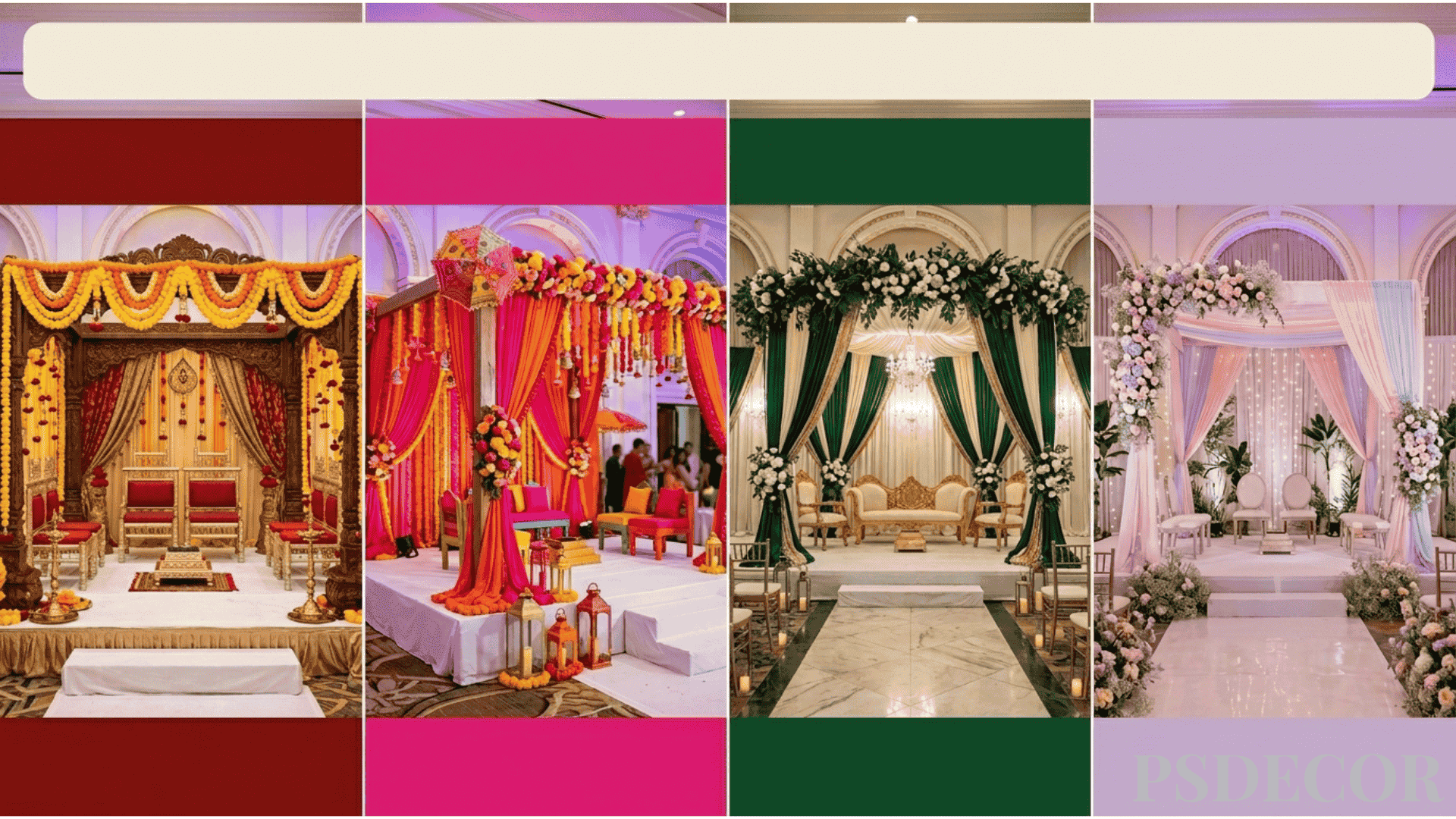
Colours are not just visual elements — they are emotional triggers.
Each shade carries psychological weight, influencing how guests feel without them even realising it.
- Red evokes passion, energy, and celebration — ideal for traditional ceremonies
- Gold signals opulence, grandeur, and prestige
- Pastels create calmness, romance, and elegance
- White and ivory suggest purity and sophistication
The real artistry lies not in choosing colours, but in harmonising them.
A mismatch in palette can create subconscious discomfort. Too many bold tones can overwhelm, while overly muted schemes may feel underwhelming. The right balance, however, creates a seamless emotional flow.
Luxury wedding décor today is less about "bright" or "grand" and more about intentional colour storytelling.
Lighting: The Invisible Architect of Mood
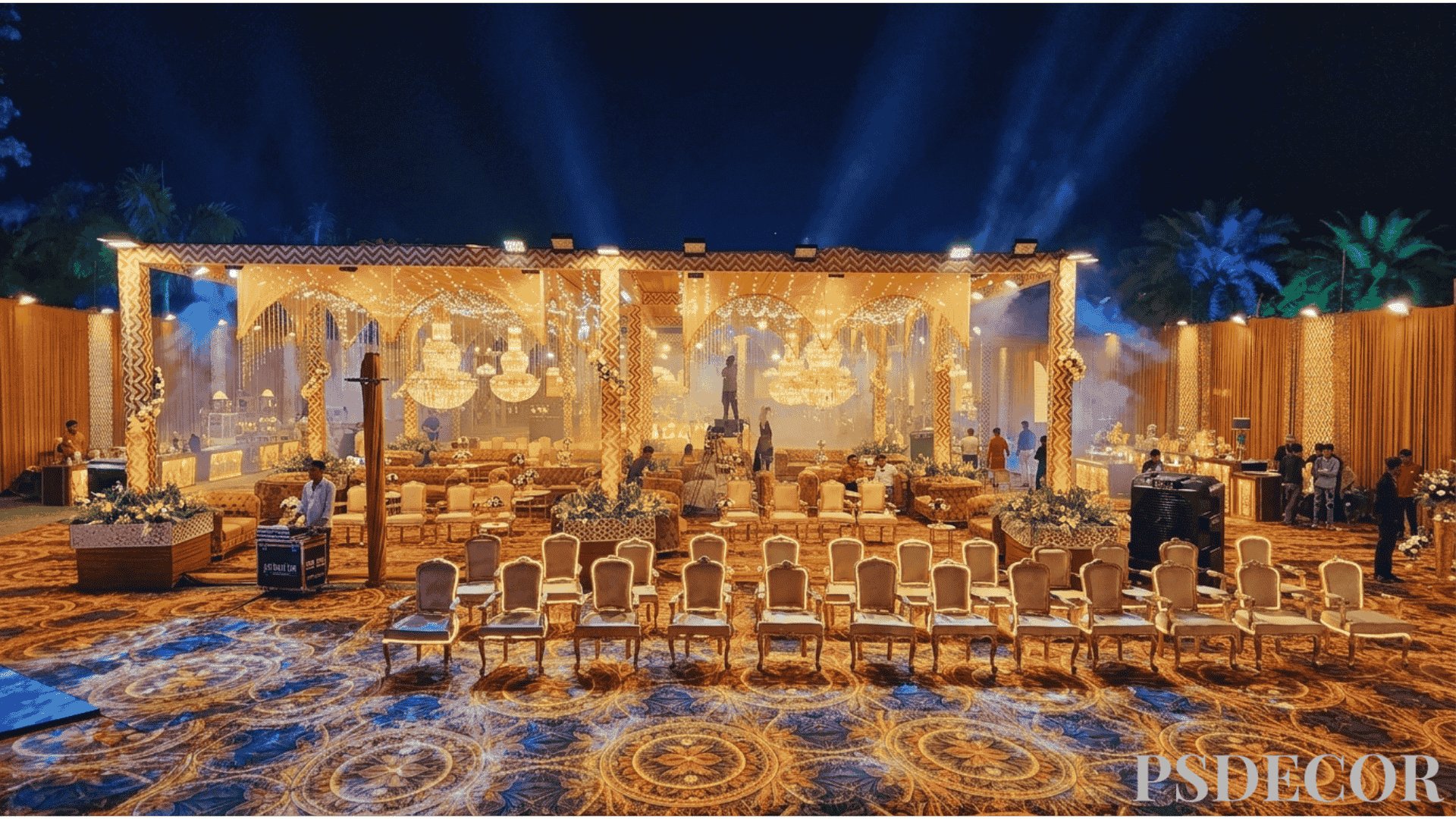
If décor is the body, lighting is the soul.
Lighting has the power to completely transform a space — often more dramatically than any physical element.
Consider this:
- Warm lighting creates intimacy and comfort
- Cool lighting feels modern but can distance emotional warmth
- Candlelight evokes nostalgia and romance
- Dynamic lighting energises and excites
The same venue can feel like two entirely different worlds depending on lighting design.
Yet, lighting is often treated as an afterthought.
In reality, it should be the backbone of ambience planning. It dictates how colours appear, how photographs turn out, and how guests emotionally engage with the environment.
A perfectly lit wedding does not just look beautiful — it feels unforgettable.
Spatial Design: Guiding Human Behaviour Subtly
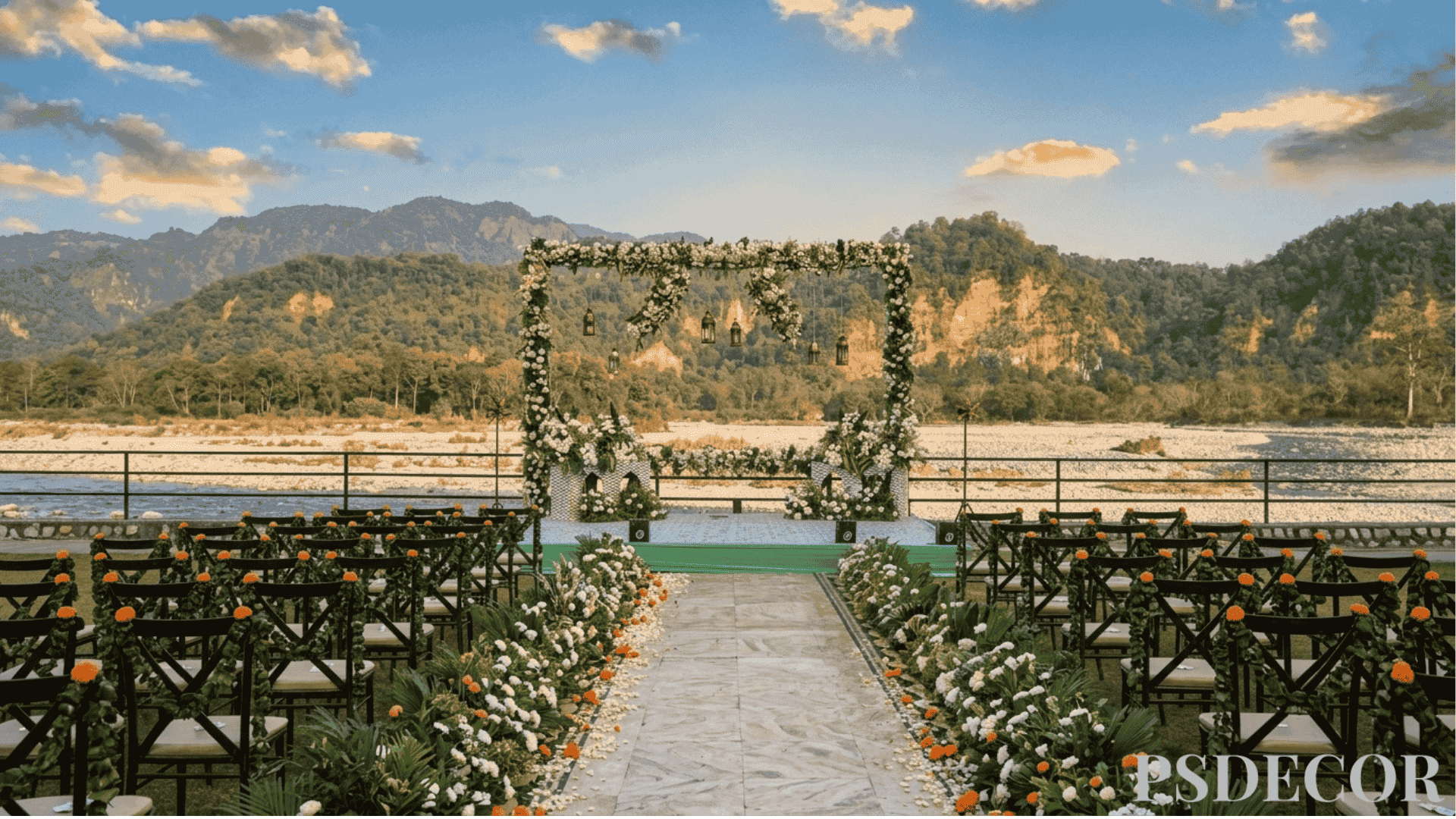
Ever noticed how some weddings feel chaotic, while others feel effortlessly smooth?
That is the psychology of spatial design at play.
The way a venue is structured influences:
- Movement flow
- Social interaction
- Comfort levels
- Energy distribution
A well-designed wedding layout subtly guides guests without them even noticing.
For instance, lounge areas encourage conversation, open dance floors invite participation, and strategically placed dining spaces reduce congestion.
When zoning is done right, guests feel relaxed and engaged. When done poorly, even the most extravagant décor cannot compensate for the discomfort.
Design, therefore, is not just about aesthetics — it is behavioural engineering.
Sensory Design: Beyond What the Eye Sees
The most memorable weddings are never just seen — they are experienced.
True luxury lies in engaging all five senses.
- Fragrance: Floral scents or subtle aromas can trigger nostalgia and emotional warmth
- Sound: Music sets rhythm, tone, and emotional pacing
- Touch: Fabrics, textures, and materials influence perceived richness
- Sight: Visual harmony ties everything together
Psychologically, multi-sensory experiences are more deeply encoded in memory. Guests may forget specific details, but they will always remember how the wedding made them feel.
This is the difference between decoration and immersion.
The Instagram Effect: Designing for the Digital Memory
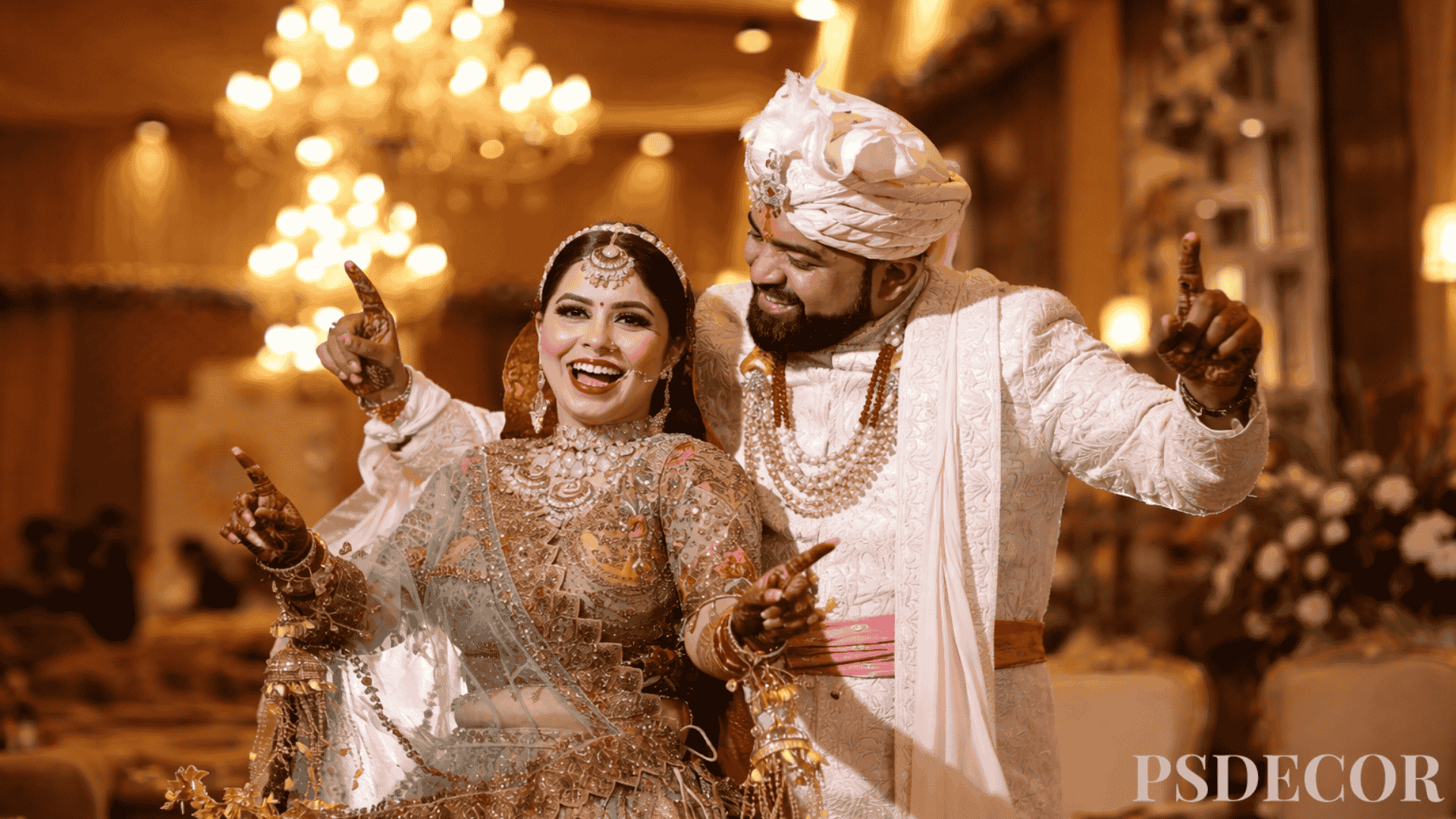
Today's weddings are not just lived — they are shared.
For Gen Z and millennial audiences, a wedding's success is often reflected in its shareability. This is not vanity — it is psychology.
Social validation plays a significant role in how experiences are perceived. A visually stunning setup becomes:
- A photo opportunity
- A memory anchor
- A conversation starter
Designing for "Instagrammability" does not mean compromising elegance. It means creating intentional focal points — statement backdrops, aesthetic corners, and unique installations — that extend the wedding beyond the venue into the digital world, amplifying its impact.
Emotional Storytelling Through Decor
The most extraordinary weddings tell a story — not a generic one, but a deeply personal narrative.
Décor becomes the medium through which:
- Cultural traditions are honoured
- Personal journeys are reflected
- Emotions are amplified
This could be through custom themes, symbolic elements, or personalised installations.
Guests may not consciously analyse these details, but they feel their authenticity.
And authenticity is what transforms a beautiful wedding into a meaningful one.
Common Mistakes That Break the Ambience
Even with generous budgets, certain mistakes can undermine the entire experience:
- Overcrowded décor: Too many elements create visual noise
- Inconsistent themes: Lack of cohesion confuses perception
- Poor lighting: Even premium setups can appear dull
- Ignoring guest comfort: Aesthetic without functionality fails
The truth is simple: luxury is not about excess — it is about precision.
How PS Decor Transforms Weddings into Experiences
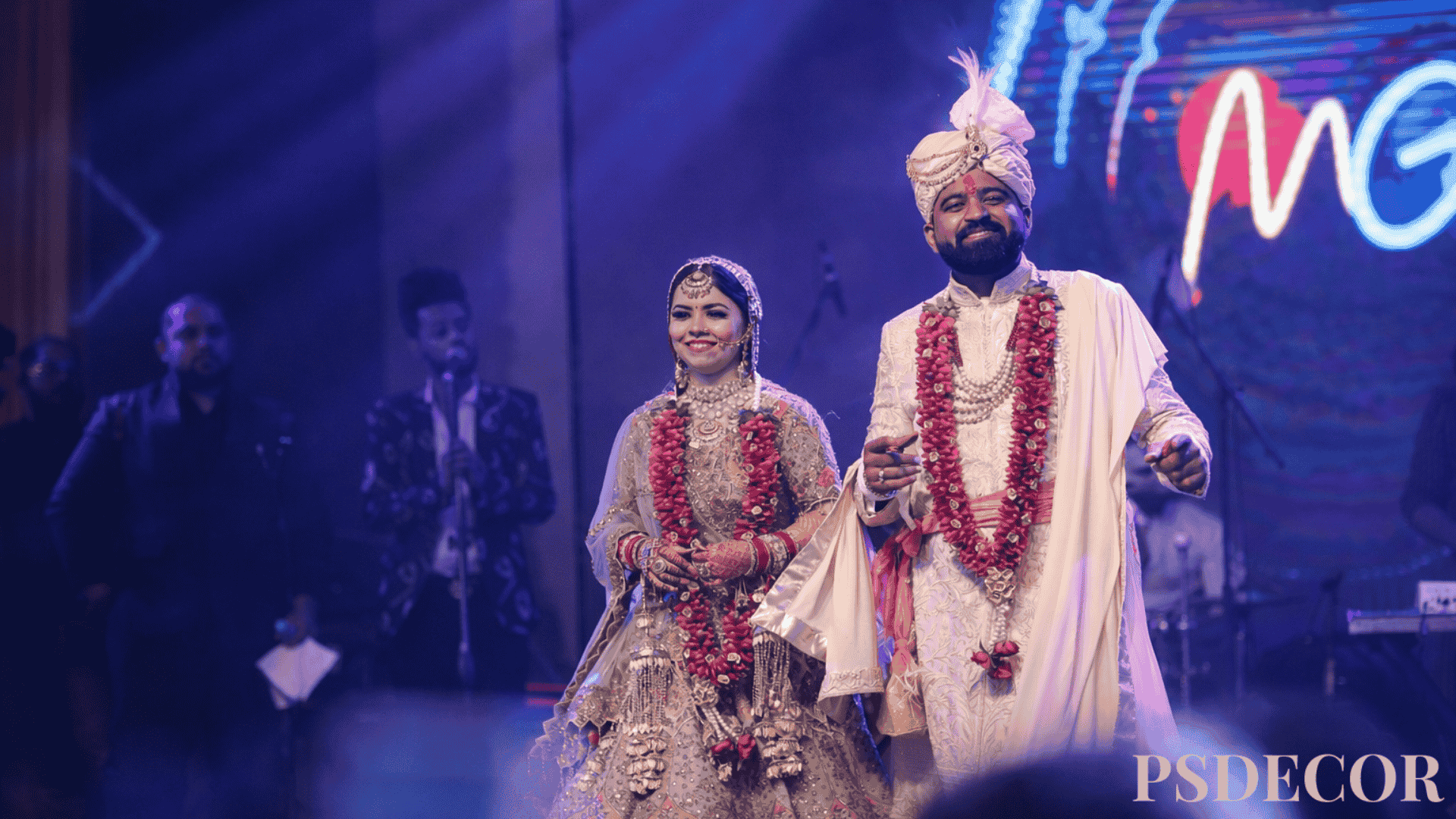
There is a distinct difference between decorating a venue and crafting an experience.
PS Decor operates firmly in the latter space.
Their approach goes beyond aesthetics, focusing on:
- Understanding emotional intent behind each event
- Designing spaces that feel as good as they look
- Paying meticulous attention to detail
- Blending psychology with artistry
Every element — be it colour, lighting, or layout — is curated with purpose.
The result is not just a visually stunning wedding, but an atmosphere that resonates deeply with everyone present.
For those who seek a celebration that is immersive, refined, and truly unforgettable, connecting with PS Decor can be the first step towards bringing that vision to life. They remain approachable for consultations via +91 7599208222 or at info@psdecor.in, should you wish to explore possibilities.
Conclusion: The Soul of Every Celebration
At its core, a wedding is not remembered for its decorations.
It is remembered for how it felt.
The laughter that echoed a little louder, the warmth that lingered a little longer, the atmosphere that made time seem to pause — that is the true essence of ambience.
Decoration, when understood through the lens of psychology, becomes far more than design. It becomes emotion, memory, and experience woven together.
And when done right, it does not just create a wedding.
It creates a moment that lives on forever.
FAQs
1. What is wedding decoration psychology?
It is the study of how décor elements — colour, lighting, and layout — influence the emotions and behaviour of wedding guests.
2. Why does ambience matter at a wedding?
Ambience shapes how guests feel and how memories are formed — it transforms a venue into an experience.
3. How does lighting affect wedding mood?
Warm lighting creates intimacy; cool tones feel modern; candlelight evokes romance — lighting defines the emotional tone of a space.
4. What colours work best for wedding décor?
It depends on the desired emotion — reds for energy, pastels for calm, gold for grandeur. The key is harmonious balance.
5. What is sensory design in weddings?
It is the intentional use of fragrance, sound, texture, and visuals to create a multi-dimensional experience.
6. How do I make my wedding more Instagrammable?
Create intentional focal points — statement backdrops, aesthetic corners, and unique installations that invite photography.
7. What are common décor mistakes at weddings?
Overcrowding elements, inconsistent themes, poor lighting, and ignoring guest comfort.
8. How does spatial design affect guests?
It guides movement, encourages interaction, and manages energy distribution across the venue.
9. Can décor tell a personal story?
Absolutely — through custom themes, symbolic elements, and personalised installations that reflect the couple's journey.
10. How does PS Decor approach wedding ambience?
By blending psychology with artistry — designing spaces that feel as good as they look, with meticulous attention to every detail.
Connect with PS Décor
- 📞 Call: +91 7599208222
- 📧 Email: info@psdecor.in
- 🌐 Website: www.psdecor.in