
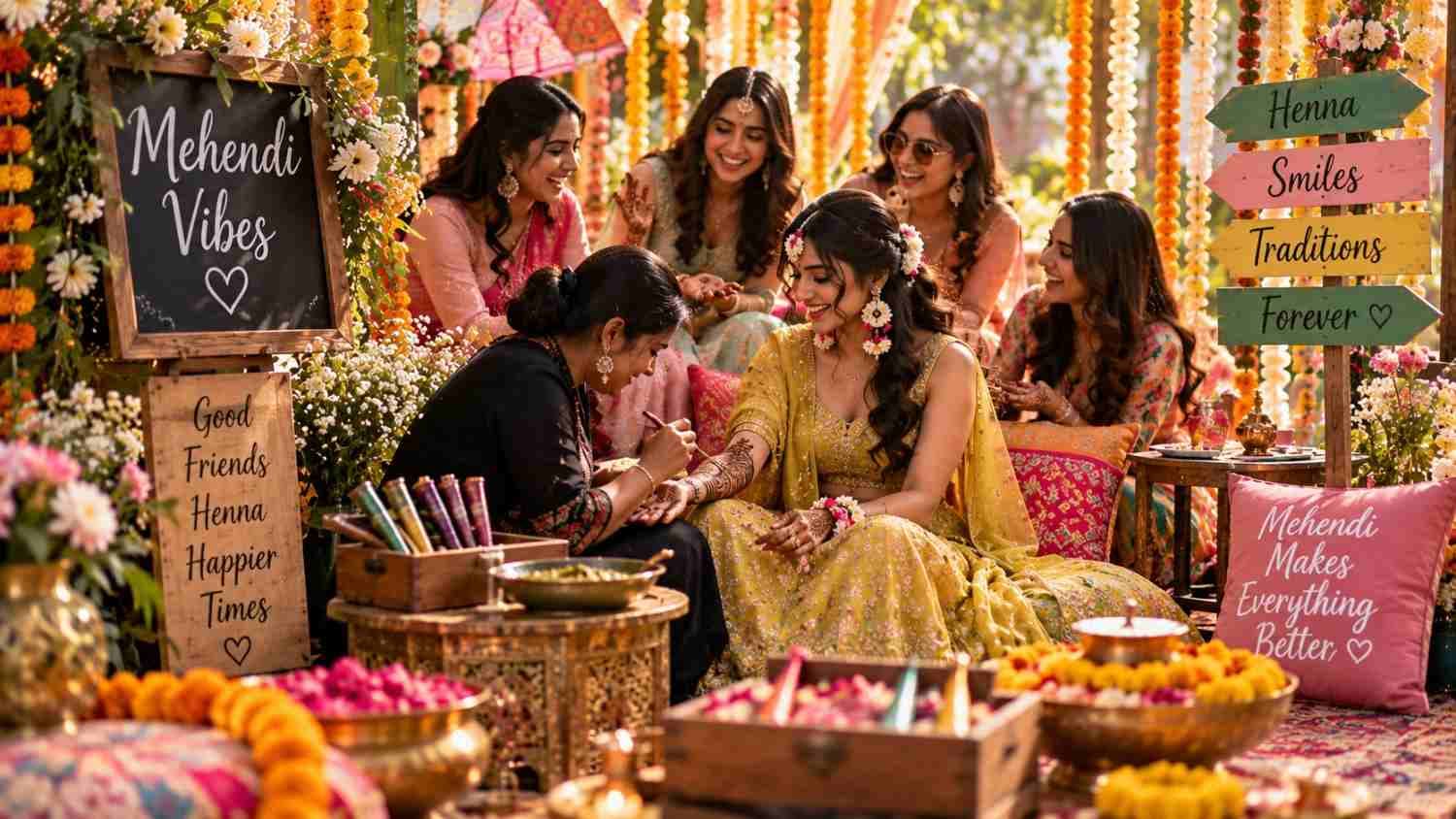
Mehendi is often the most photographed and visually celebrated event in the Indian wedding calendar, known for intricate henna designs, vibrant outfits and a festive, music-filled atmosphere. What frequently gets overlooked amid the artistry, however, is that mehendi carries centuries of symbolic and cultural weight that goes well beyond its decorative appeal. Long before it became a wedding photography highlight, mehendi held meaning rooted in tradition, ritual and regional belief systems across the Indian subcontinent.
Understanding this deeper significance adds context to a ceremony that, for many modern couples and guests, has become primarily associated with design trends and social media content.
The Historical and Cultural Roots of Mehendi
Henna application has a documented history spanning several thousand years across South Asia, the Middle East and North Africa, used in various cultural and ceremonial contexts long before its specific association with Indian weddings developed. In the Indian subcontinent, mehendi evolved into a distinct pre-wedding ritual, closely tied to Hindu, Muslim and Sikh wedding traditions, each attaching its own symbolic layers to the practice.
What Mehendi Traditionally Symbolises
A Symbol of Auspiciousness
In Hindu tradition, the deep reddish-brown stain left by henna is considered an auspicious sign, associated with prosperity, fertility and marital happiness. The depth of colour the mehendi leaves behind is often linked, in folklore, to the strength of the bond between the couple and their in-laws.
Protection and Positive Energy
Mehendi has traditionally been associated with warding off negative energy and nervousness, offering the bride a sense of calm before the wedding through the ritual's cooling, soothing application process.
A Bonding Ritual Among Women
Historically, mehendi application was a lengthy process, giving female family members and friends extended time together to sing traditional songs, share wedding advice and bond ahead of the bride's transition into married life. This social and emotional dimension remains one of the ritual's most meaningful aspects, even as modern mehendi events have grown more elaborate.
A Reflection of the Bride's Journey
In many traditions, mehendi designs incorporate personal elements, the groom's name hidden within the pattern, motifs representing the couple's story, or symbols specific to the bride's family, turning the design itself into a narrative rather than purely decorative artwork.
Regional and Religious Variations
Hindu Traditions
Mehendi is typically applied a day or two before the wedding, often as part of a dedicated ceremony involving music, dance and family participation. The color intensity is popularly (though without scientific basis) linked to good fortune in married life.
Muslim Traditions
Known as Mehndi Raat in many communities, this ceremony holds similarly deep significance, often combined with religious blessings and prayers for the couple's future, alongside the artistic henna application.
Sikh Traditions
Mehendi ceremonies in Sikh weddings often incorporate specific religious hymns and blessings, with the ritual treated as both a celebratory and spiritually significant pre-wedding event.
Regional Design Variations
Rajasthani mehendi traditionally features dense, intricate patterns covering the hands and feet extensively, while designs from regions like Gujarat or South India often incorporate distinct motifs and styles reflecting local artistic traditions.
Common Symbols and Their Meanings in Mehendi Designs
- Peacocks - often associated with beauty, grace and romantic devotion
- Lotus flowers - symbolising purity, spiritual awakening and new beginnings
- Paisley (mango) motifs - representing fertility and good fortune
- Elephants - associated with strength, wisdom and royal blessing
- Hidden initials or names - a modern addition to the tradition, playfully hiding the groom's name within the design for him to find
Why the Deeper Meaning Still Matters Today
Even as mehendi ceremonies have grown more elaborate, with professional artists, coordinated outfits and dedicated photography, the underlying symbolism continues to hold cultural relevance for many families. For couples wanting to honour this deeper significance rather than treating mehendi purely as a photo-friendly event, a few considerations can help:
- Incorporating traditional songs or family rituals alongside the artistic application
- Choosing design elements that carry personal or symbolic meaning, rather than purely trend-driven patterns
- Allowing time within the event for the bonding aspect of the ritual, not just the artistic process
- Understanding and respecting the specific religious or regional customs relevant to the family's background
Modern Mehendi Ceremonies: Balancing Tradition and Trend
Contemporary mehendi events often blend traditional elements with modern additions, such as themed décor, professional entertainment, and elaborate design trends including Arabic-fusion patterns or minimalist styles. This evolution does not necessarily diminish the ritual's significance, but couples who take time to understand and incorporate its traditional roots often find the ceremony carries more meaning beyond its visual appeal.
Conclusion
Mehendi's significance extends far beyond intricate designs and festive celebration. Rooted in centuries of tradition, symbolism and cultural belief, the ritual represents auspiciousness, protection, familial bonding and a bride's personal journey into married life. As mehendi ceremonies continue evolving with modern trends and production value, understanding this deeper meaning offers couples and guests a richer appreciation of one of the most cherished pre-wedding rituals in Indian culture.
At PS Decor, mehendi ceremony planning includes coordinating décor, artists and event flow while helping families incorporate meaningful traditional elements alongside contemporary styling.
Frequently Asked Questions
- Why is the color of mehendi considered significant?
In popular belief, a deeper mehendi stain is associated with good fortune and a strong bond with in-laws, though this is a cultural tradition rather than a scientifically proven fact. - Is mehendi significant in religions other than Hinduism?
Yes, mehendi holds significance in Muslim and Sikh wedding traditions as well, each with its own customs and ceremonial context around the ritual. - What do common mehendi symbols like peacocks or lotus flowers represent?
These motifs typically symbolise qualities like beauty, purity, fertility and new beginnings, though specific meanings can vary by region and family tradition. - Why do many mehendi designs include the groom's hidden initials?
This is a popular modern addition to the tradition, adding a playful, personal element where the groom searches for his name within the bride's intricate design. - How can couples honour the traditional significance of mehendi in a modern ceremony?
Incorporating traditional songs, family rituals and personally meaningful design elements, alongside contemporary styling, helps preserve the ritual's deeper cultural significance.